Animal Order: Peramelemorphia
The parent class for the order of Peramelemorphia is Mammalia.
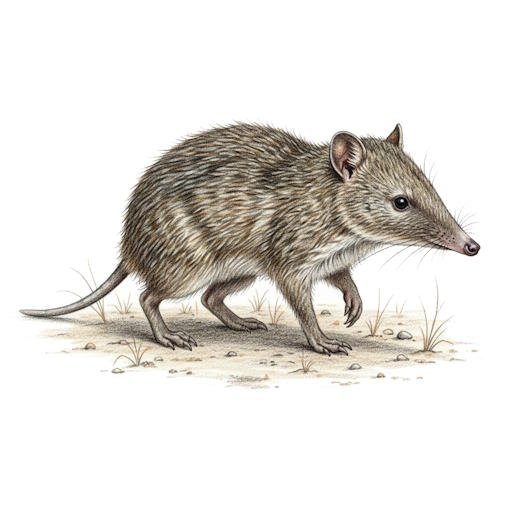
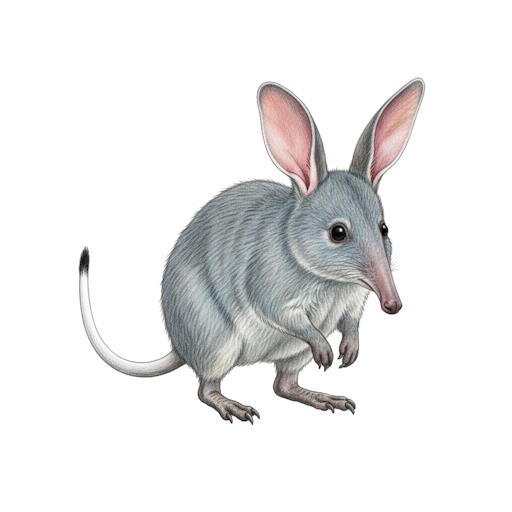
The order Peramelemorphia—encompassing bandicoots and bilbies—to be a truly captivating and ecologically significant group, uniquely adapted to the diverse landscapes of Australia and New Guinea. What truly sets these marsupials apart in the animal kingdom is their remarkable combination of physical traits and ecological roles, making them distinct evolutionary masterpieces.
One of the most defining characteristics of Peramelemorphia is their specialized hind feet, featuring a unique anatomical fusion of the second and third toes (syndactyly). This adaptation, though present in some other marsupials, is particularly pronounced and efficient in bandicoots and bilbies, aiding in their powerful digging and agile locomotion. Their strong claws and conical head also facilitate their primary foraging method: digging for subterranean invertebrates, fungi, and roots.
Beyond their physical adaptations, bandicoots and bilbies exhibit a fascinating blend of reproductive and behavioral strategies. They possess a chorioallantoic placenta, a feature more common in placental mammals, which allows for a relatively longer gestation period compared to many other marsupials. This unique reproductive biology, coupled with a short pouch period, highlights their distinct evolutionary trajectory.
Ecologically, Peramelemorphia play crucial roles as "ecosystem engineers." Their constant digging activity aerates the soil, promotes water infiltration, and helps in the dispersal of fungal spores and seeds. This vital bioturbation contributes significantly to the health and biodiversity of their habitats, from arid deserts to wet forests. Their largely nocturnal and solitary nature, combined with their highly sensitive snouts for detecting buried food, further emphasizes their unique niche.
The conservation challenges faced by many Peramelemorphia species underscore their vulnerability and the importance of understanding their unique biology. Their distinctiveness lies not just in a single feature, but in the elegant interplay of specialized anatomy, reproductive innovations, and critical ecological functions that collectively define their place as an irreplaceable component of the animal kingdom.
Other Orders
There are many different orders based upon their class. To learn more about classification orders, click here.
Families within Peramelemorphia
Within the order of Peramelemorphia, there are one or more families of animals that share common characteristics and traits.
Each family represents a more specific grouping within the order, highlighting the diversity and specialization of species that have adapted to various ecological niches. Below is a list of families that fall under this order, showcasing the rich variety of life forms classified within this taxonomic category.
Animals in the order of Peramelemorphia
Click on an image to learn more about one of the animals.