Animal Order: Phoenicopteriformes
The parent class for the order of Phoenicopteriformes is Aves (Avian).
The order Phoenicopteriformes, encompassing all species of flamingos, to be one of the most visually striking and uniquely adapted groups in the animal kingdom. What truly sets flamingos apart is their extraordinary specialization for feeding in shallow, saline, or alkaline water environments, a niche they have perfected through remarkable anatomical and physiological adaptations.
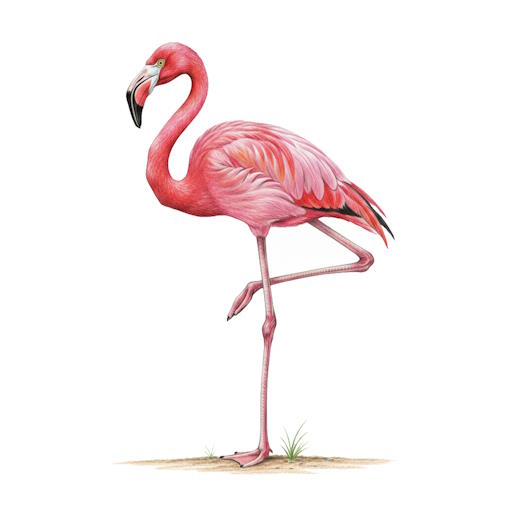
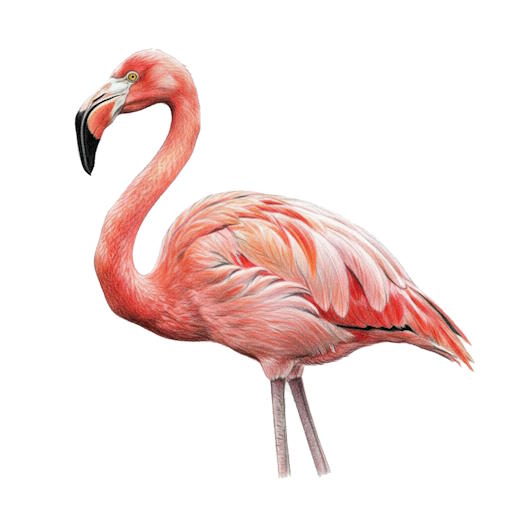
The most iconic and defining feature of flamingos is their distinctively shaped, downward-bending bill. This bill is not merely unusual; it's a highly sophisticated filtering apparatus. Flamingos feed by holding their heads upside down, using their large, piston-like tongues to pump water and mud through lamellae—fine, comb-like structures inside the bill. These lamellae efficiently filter out small organisms like brine shrimp, diatoms, and algae, which constitute their primary diet. This unique filter-feeding mechanism is unparalleled among birds and is a testament to their evolutionary success in exploiting food sources unavailable to most other species.
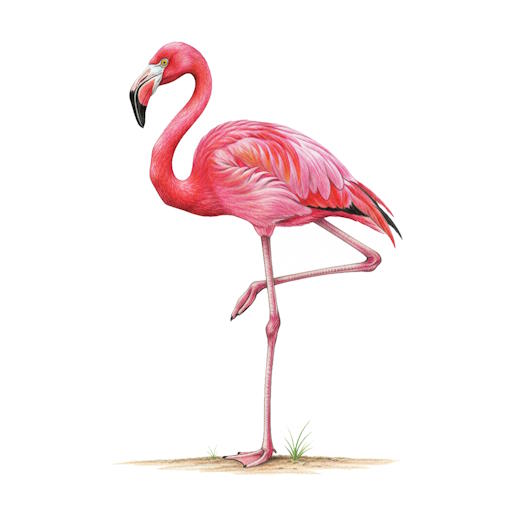
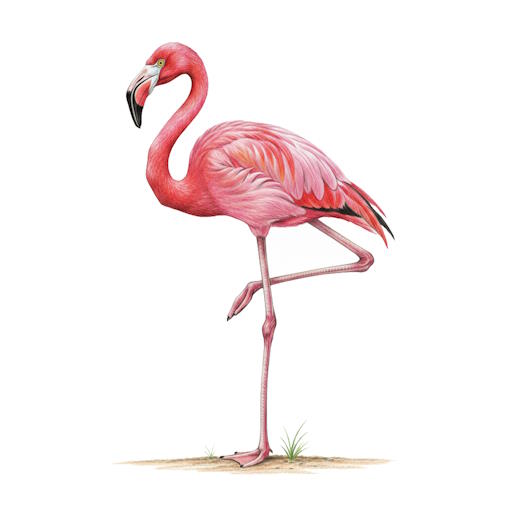
Beyond their feeding apparatus, their vibrant pink, orange, or red plumage is another remarkable characteristic. This coloration is not genetic; it's acquired from carotenoid pigments present in their diet, particularly from the brine shrimp and algae they consume. The intensity of their color is a direct indicator of their diet and health, making them a stunning example of diet-dependent pigmentation in the animal kingdom.
Furthermore, their exceptionally long legs and neck allow them to wade into deeper waters than many other birds, providing access to rich feeding grounds while keeping their bodies above the often-caustic water. Their ability to stand on one leg, often for extended periods, is also thought to be a thermoregulatory adaptation, reducing heat loss in cool water or conserving body heat in cold environments.
Flamingos are highly social birds, forming massive colonies that can number in the thousands, especially during breeding season. This colonial behavior offers increased protection against predators and facilitates pair bonding. Their elaborate courtship displays, involving synchronized head-flagging and marching, are a spectacular sight and another unique aspect of their biology.
In summary, the Phoenicopteriformes stand out in the animal kingdom due to their highly specialized filter-feeding bill, diet-derived vibrant plumage, unique physiological adaptations for saline environments, and complex social structures. These combined traits make flamingos not just beautiful birds, but truly unique and fascinating subjects for any zoologist.
Other Orders
There are many different orders based upon their class. To learn more about classification orders, click here.
Families within Phoenicopteriformes
Within the order of Phoenicopteriformes, there are one or more families of animals that share common characteristics and traits.
Each family represents a more specific grouping within the order, highlighting the diversity and specialization of species that have adapted to various ecological niches. Below is a list of families that fall under this order, showcasing the rich variety of life forms classified within this taxonomic category.
Animals in the order of Phoenicopteriformes
Click on an image to learn more about one of the animals.