Animal Order: Pilosa
The parent class for the order of Pilosa is Mammalia.
The orderPilosa truly stands out in the animal kingdom, representing a fascinating lineage of xenarthran mammals unique to the Americas. This order encompasses the enigmatic sloths and anteaters, groups that, despite their apparent differences, share a remarkable suite of evolutionary adaptations that set them apart from all other mammals.
What makes Pilosa so distinct is their highly specialized dental and skeletal features. While anteaters are entirely toothless, sloths possess a unique dentition composed of ever-growing, peg-like teeth that lack enamel and are constantly worn down. This unusual dental morphology is a hallmark of the order and is perfectly adapted to their respective diets—insectivory for anteaters and herbivory for sloths. Furthermore, members of Pilosa are characterized by their "xenarthrous" vertebrae, which feature extra articulations. This unique skeletal innovation provides additional rigidity to their spine, offering enhanced support and stability, particularly crucial for the powerful digging of anteaters and the arboreal hanging of sloths.
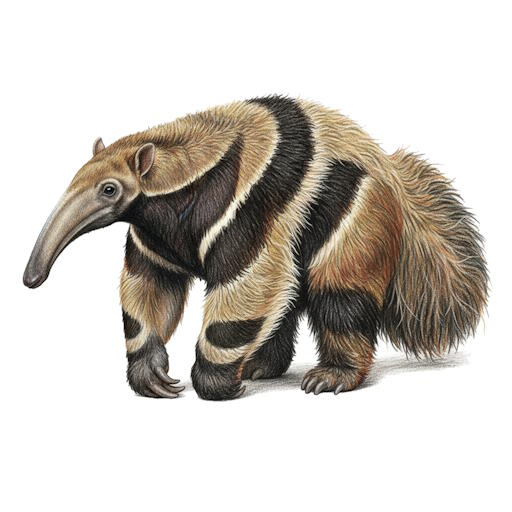
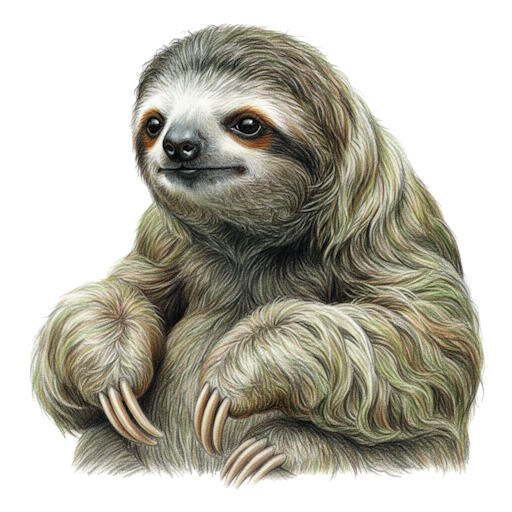
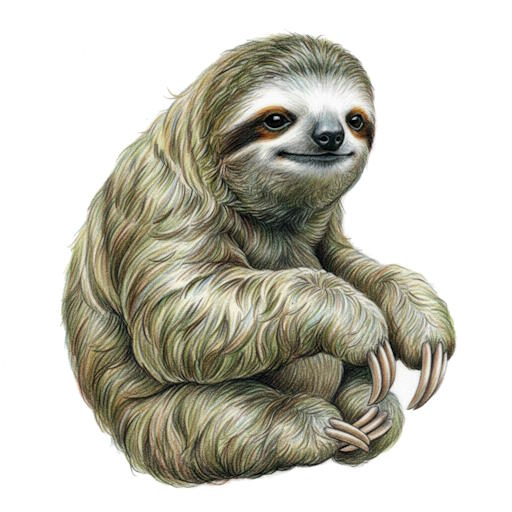
Beyond these internal distinctions, sloths exhibit an unparalleled adaptation to a low-energy, arboreal lifestyle, moving with deliberate slowness and possessing a unique fur that hosts a symbiotic ecosystem of algae and insects, providing camouflage and possibly supplementary nutrients. Anteaters, conversely, are master myrmecophages, equipped with powerful claws, long snouts, and incredibly long, sticky tongues for efficiently extracting ants and termites from their nests. Their powerful forelimbs and specialized claws are unmatched for tearing into tough termite mounds and ant hills.
The evolutionary success of Pilosa, evident in their diverse forms and ecological roles, lies in these highly specialized adaptations that have allowed them to exploit specific niches within the American ecosystems. From the deliberate, arboreal life of sloths to the powerful, insect-devouring habits of anteaters, the order Pilosa offers a captivating study in unique mammalian evolution.
Other Orders
There are many different orders based upon their class. To learn more about classification orders, click here.
Families within Pilosa
Within the order of Pilosa, there are one or more families of animals that share common characteristics and traits.
Each family represents a more specific grouping within the order, highlighting the diversity and specialization of species that have adapted to various ecological niches. Below is a list of families that fall under this order, showcasing the rich variety of life forms classified within this taxonomic category.
Animals in the order of Pilosa
Click on an image to learn more about one of the animals.