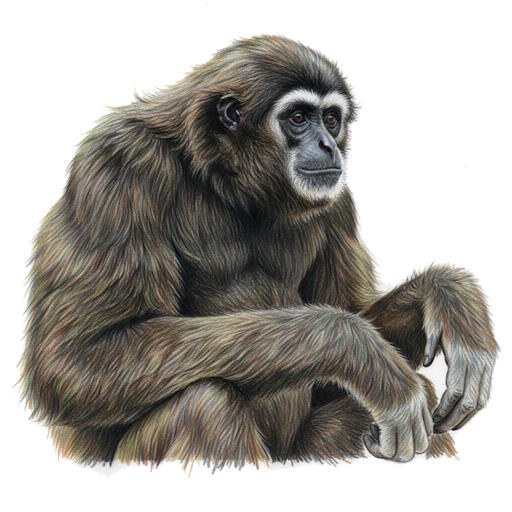
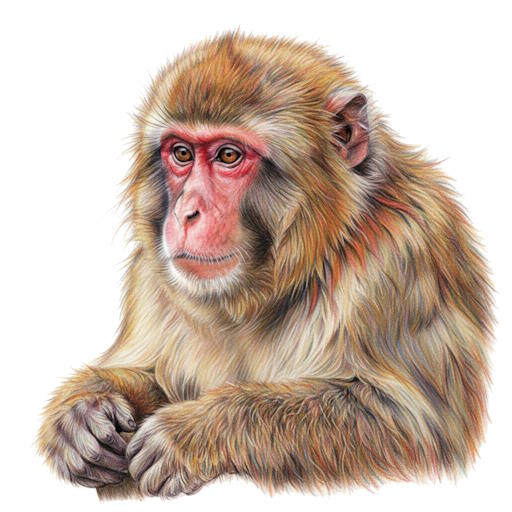
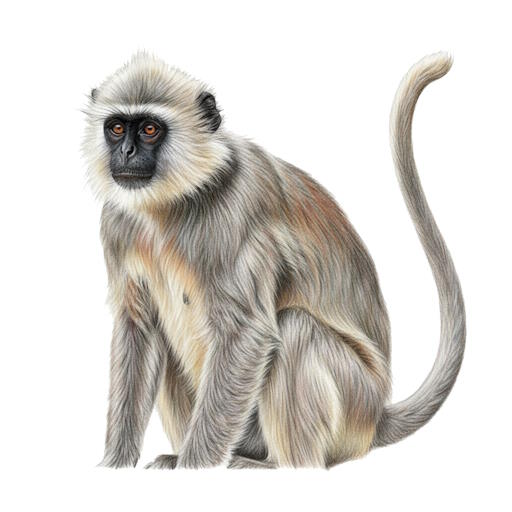
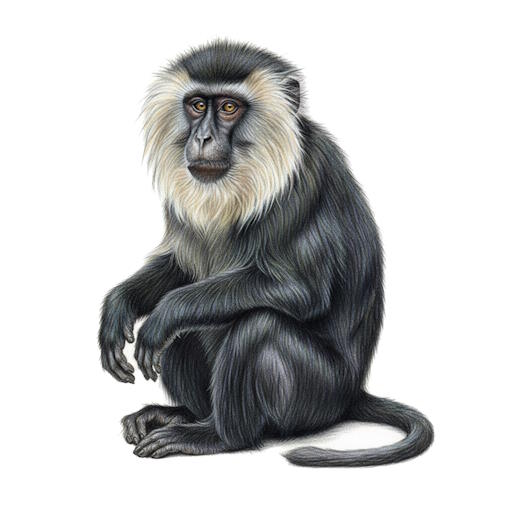
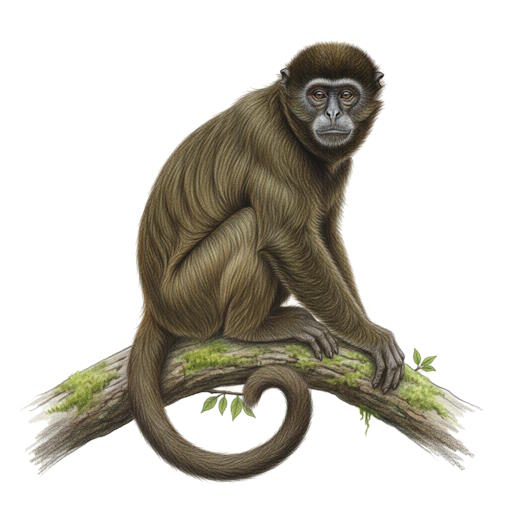
Animal Order: Primates
The parent class for the order of Primates is Mammalia.
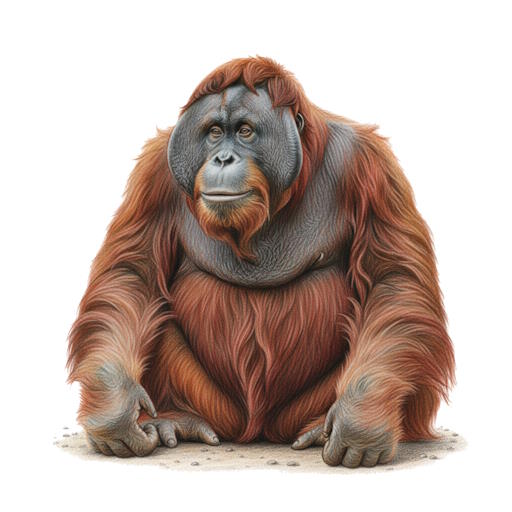
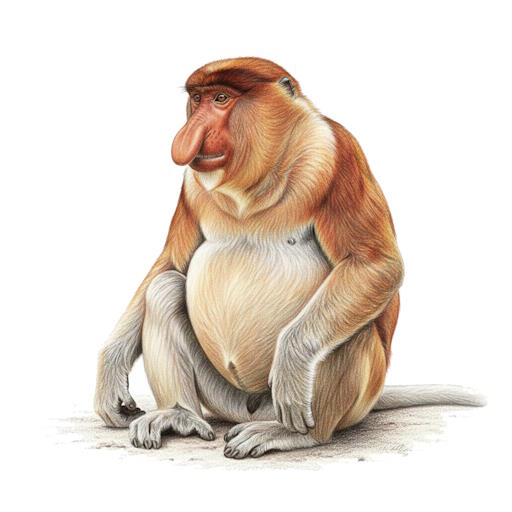
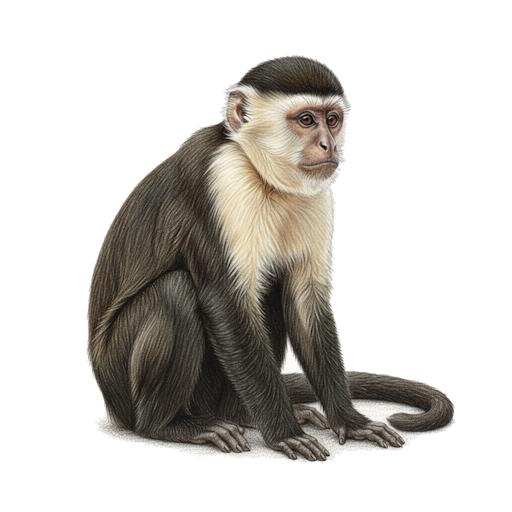
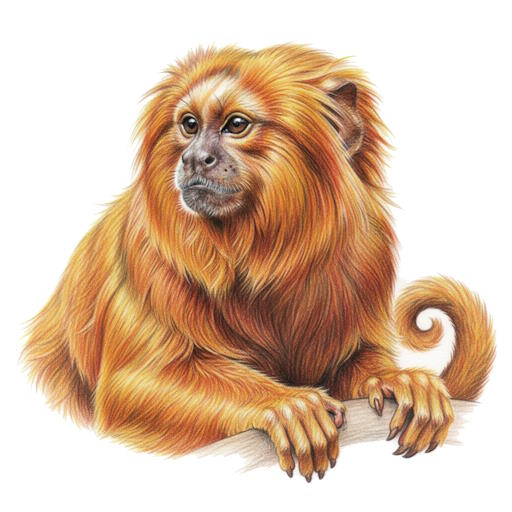
The orderPrimates stands as an extraordinary and evolutionarily significant group within the animal kingdom, captivating us with their intricate social structures, complex behaviors, and remarkable adaptability. Encompassing a diverse range of species from tiny tarsiers and playful marmosets to majestic gorillas and, of course, humans, the uniqueness of Primates is rooted in a suite of specialized biological and behavioral traits that have allowed them to flourish across varied ecosystems worldwide.
A hallmark of Primate uniqueness lies in their highly developed brains and sophisticated cognitive abilities. Compared to most other mammals, primates exhibit a larger brain-to-body size ratio, facilitating enhanced learning, problem-solving, and memory. This neurological sophistication is evident in their capacity for tool use, intricate communication systems, and the formation of complex social hierarchies, all critical for navigating their environments and group dynamics.
Another defining characteristic is their specialized arboreal adaptations, even for species that spend significant time on the ground. Primates possess highly mobile shoulders and elbows, flexible grasping hands and feet with opposable thumbs (or big toes in some species), and flattened nails instead of claws. These features provide unparalleled dexterity and a strong grip, essential for navigating complex forest canopies and manipulating objects with precision. Stereoscopic vision, with forward-facing eyes, further enhances their ability to perceive depth and distance, a crucial adaptation for life among the trees.
Furthermore, many primates exhibit extended parental care and prolonged juvenile periods, allowing for extensive learning and the transmission of complex social and survival skills across generations. This investment in offspring, coupled with often long lifespans, contributes to the development of sophisticated social learning and cultural behaviors that are rare in other animal groups.
In summary, the order Primates is distinguished by its unique combination of advanced cognitive functions, specialized grasping limbs for arboreal locomotion, and complex social structures. These interwoven traits have enabled primates to occupy diverse ecological niches and develop a level of behavioral complexity that continues to fascinate and inform our understanding of evolutionary biology.
Other Orders
There are many different orders based upon their class. To learn more about classification orders, click here.
Families within Primates
Within the order of Primates, there are one or more families of animals that share common characteristics and traits.
Each family represents a more specific grouping within the order, highlighting the diversity and specialization of species that have adapted to various ecological niches. Below is a list of families that fall under this order, showcasing the rich variety of life forms classified within this taxonomic category.
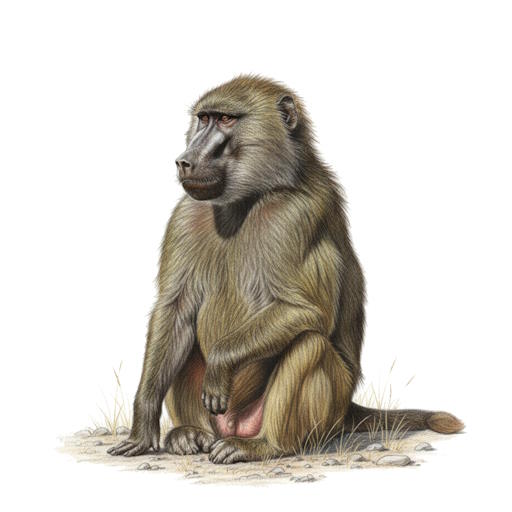
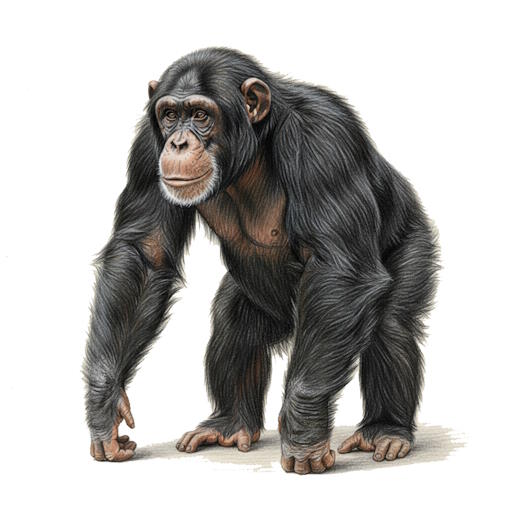
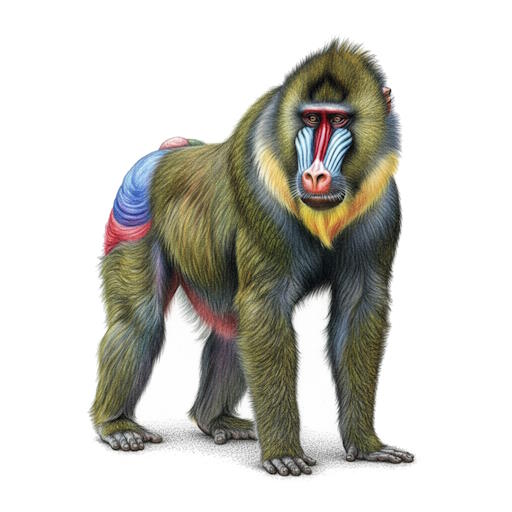
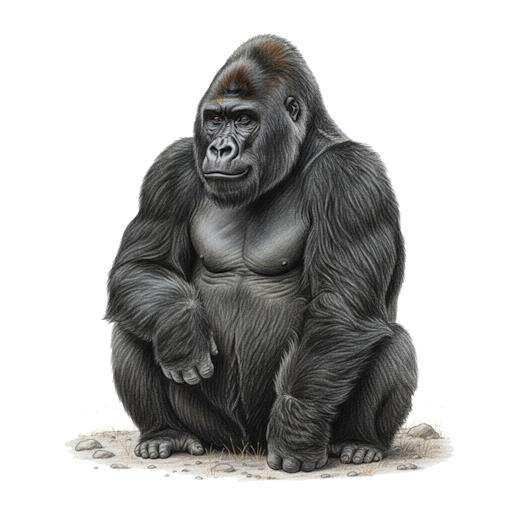
Animals in the order of Primates
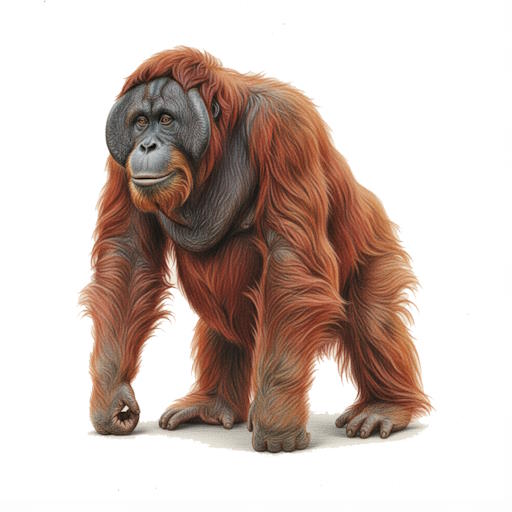
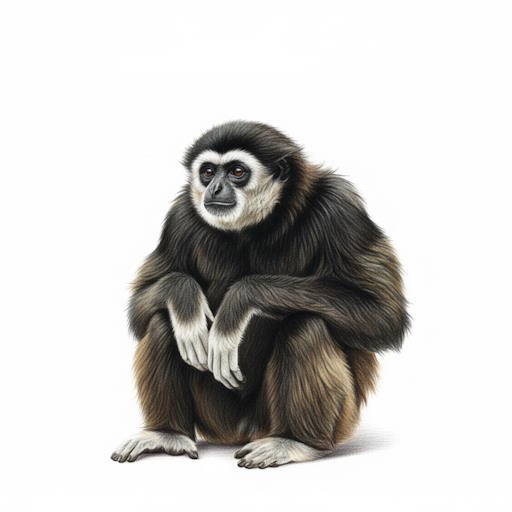
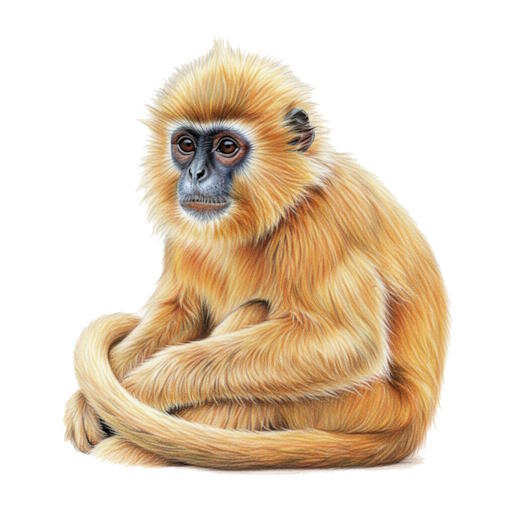
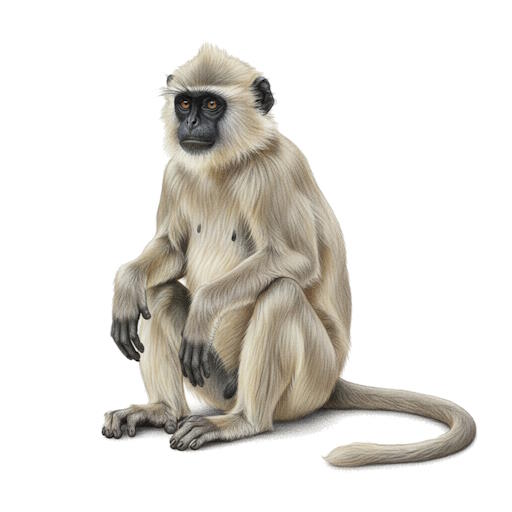
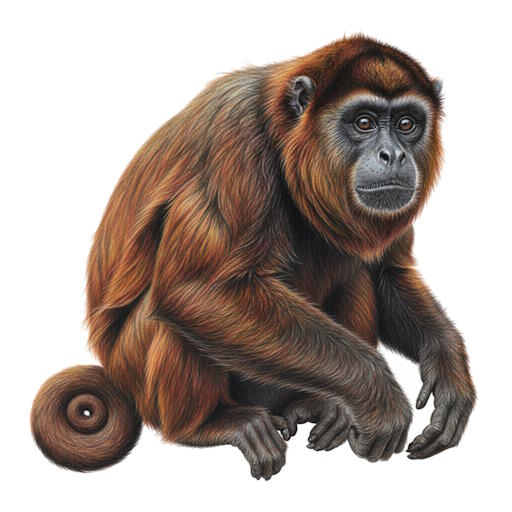
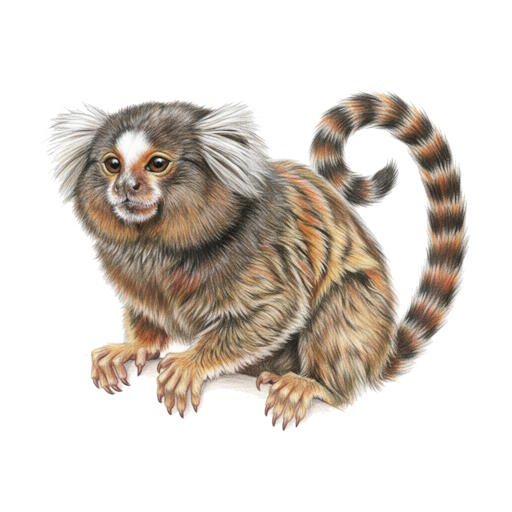
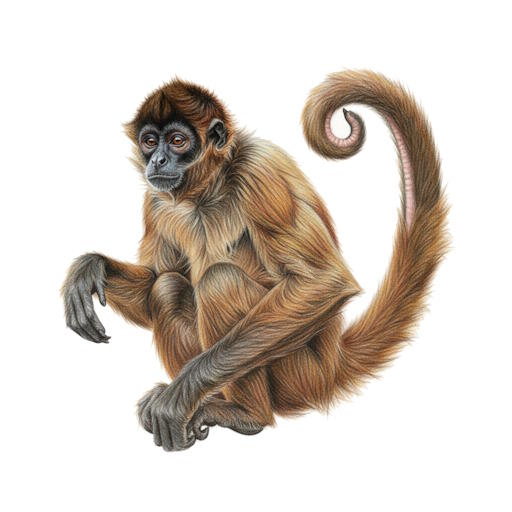
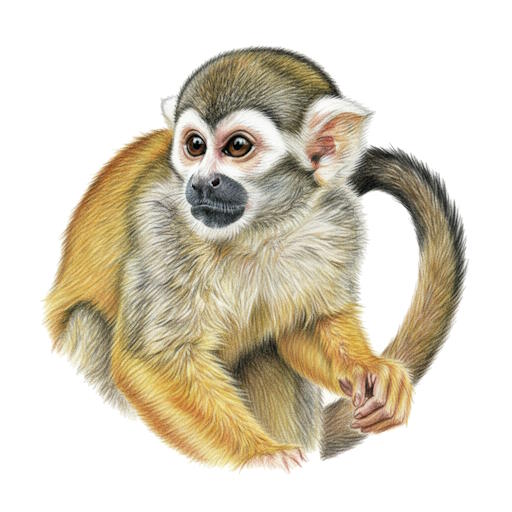
Click on an image to learn more about one of the animals.