Animal Order: Proboscidea
The parent class for the order of Proboscidea is Mammalia.
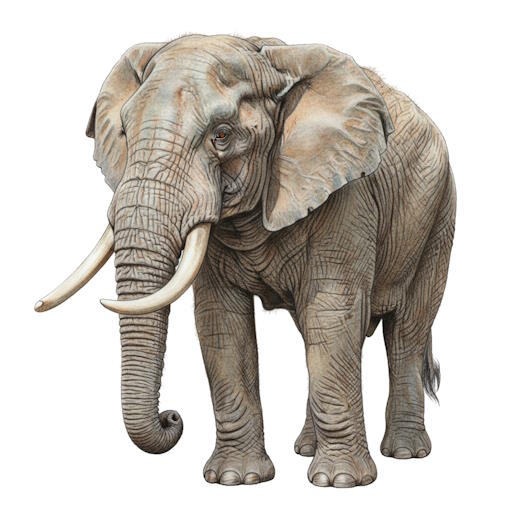
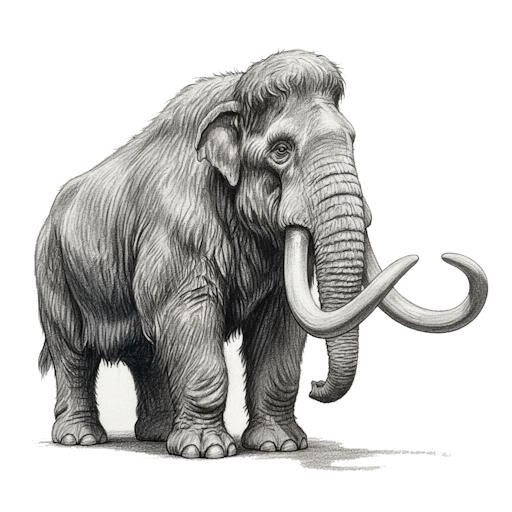
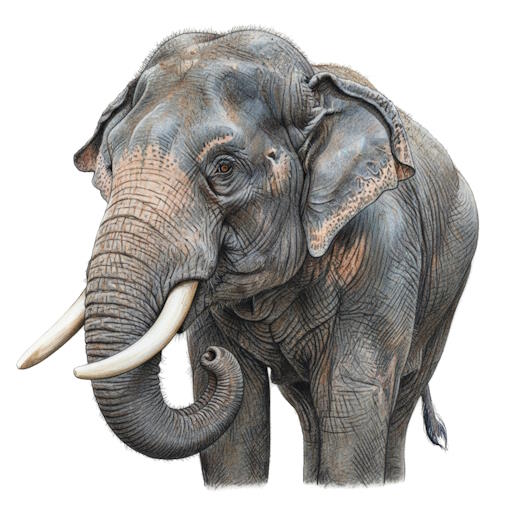
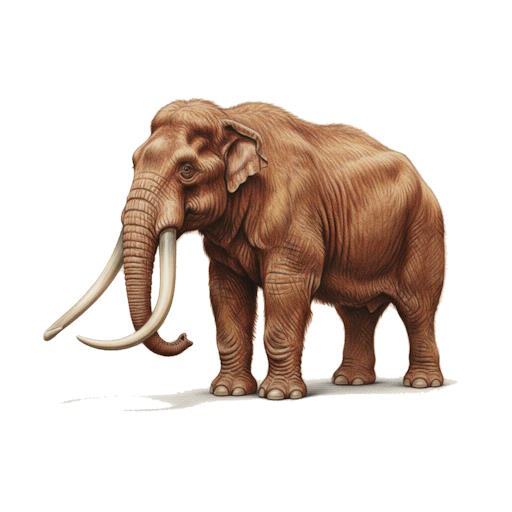
The orderProboscidea stands as one of the most iconic and distinct groups within the animal kingdom, instantly recognizable by its defining feature: the trunk. This remarkable lineage, currently represented by just three extant species of elephants (African bush elephant, African forest elephant, and Asian elephant), holds a unique place in evolutionary history due to its unparalleled adaptations for a megaherbivorous lifestyle.
The most striking and unique characteristic of proboscideans is their prehensile trunk, a fused upper lip and nose that serves as an incredibly versatile appendage. Composed of tens of thousands of muscles and devoid of bone, the trunk is used for breathing, smelling, touching, grasping, and even as a snorkel. This extraordinary organ allows elephants to forage for leaves and fruits at various heights, draw water for drinking and bathing, and engage in complex social interactions, setting them apart from all other mammals.
Beyond the trunk, proboscideans are distinguished by their modified incisors, which have evolved into formidable tusks in most species. These continuously growing, elongated teeth, made of dentin (ivory), serve multiple purposes: digging for water and roots, lifting objects, marking territory, and in defense against predators or rivals. Their unique dental structure also includes large, complex molar teeth that are replaced horizontally throughout their lives, a crucial adaptation for grinding tough plant matter.
Their sheer size is another differentiating factor. Elephants are the largest living land animals, a trait that offers advantages in thermoregulation and predator deterrence. Their thick, wrinkled skin helps dissipate heat, and their large ears act as radiators. Furthermore, their columnar legs, designed to support immense weight, and their distinctive padded feet, provide both stability and quiet movement across diverse terrains.
Proboscideans also exhibit highly developed social structures, especially within matriarchal herds, and demonstrate complex cognitive abilities, including self-awareness, empathy, and advanced problem-solving. Their long lifespans and prolonged parental care further underscore their unique evolutionary path. These combined features—the trunk, tusks, specialized dentition, immense size, and intricate social behaviors—make the order Proboscidea truly exceptional and an enduring marvel of the animal kingdom, embodying millions of years of specialized adaptation.
Other Orders
There are many different orders based upon their class. To learn more about classification orders, click here.
Families within Proboscidea
Within the order of Proboscidea, there are one or more families of animals that share common characteristics and traits.
Each family represents a more specific grouping within the order, highlighting the diversity and specialization of species that have adapted to various ecological niches. Below is a list of families that fall under this order, showcasing the rich variety of life forms classified within this taxonomic category.
Animals in the order of Proboscidea
Click on an image to learn more about one of the animals.