Animal Order: Procellariiformes
The parent class for the order of Procellariiformes is Aves (Avian).
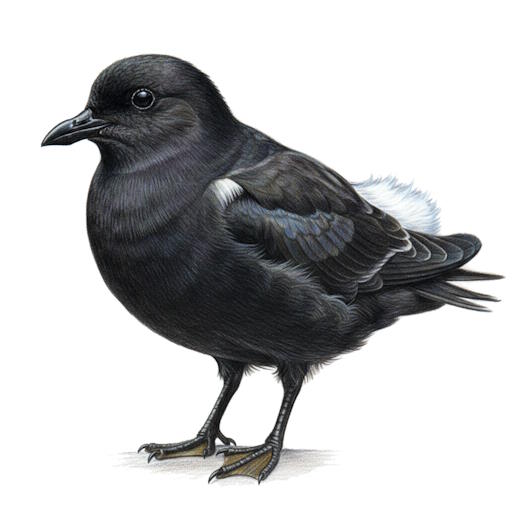
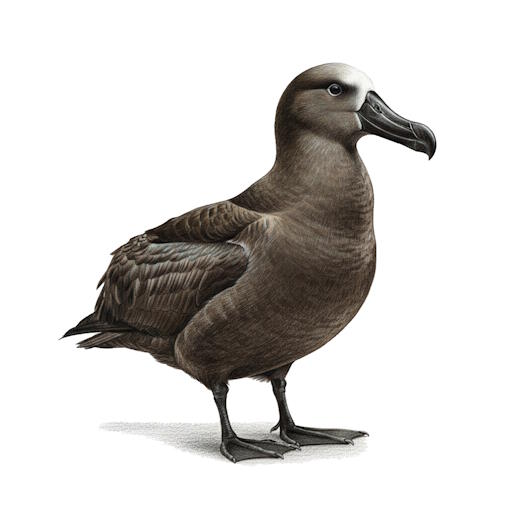
The order Procellariiformes to be one of the most remarkable and uniquely adapted groups within the avian world. Commonly known as tubenoses, this order encompasses an extraordinary array of seabirds, including albatrosses, petrels, shearwaters, and storm-petrels. What truly sets them apart in the animal kingdom are their unparalleled adaptations to a pelagic, or open-ocean, lifestyle, allowing them to thrive in some of the most extreme environments on Earth.
One of the most distinctive features of Procellariiformes is their "tubenose" structure—prominent, tubular nostrils on top of their bills. These tubes serve a critical function: they excrete excess salt ingested from seawater through specialized supraorbital glands, a vital adaptation for drinking saltwater and maintaining osmotic balance. This unique physiological mechanism allows them to spend months, or even years, at sea without needing freshwater.
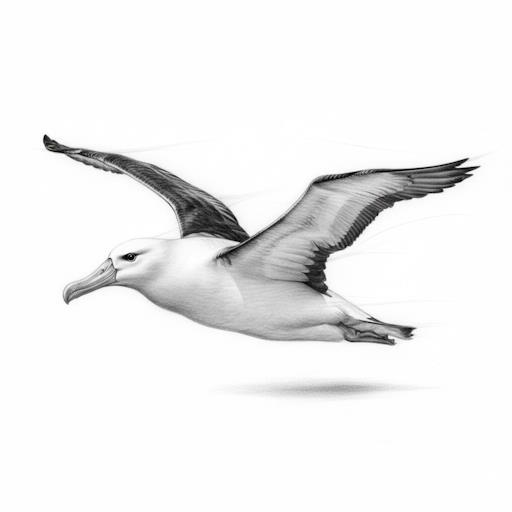
Their mastery of aerial locomotion is equally impressive. Procellariiformes are renowned for their exceptional soaring abilities, particularly the larger albatrosses, which boast the longest wingspans of any bird. They efficiently harness dynamic soaring, utilizing wind gradients near the ocean surface to glide effortlessly for vast distances with minimal energy expenditure. This adaptation enables them to undertake epic migratory journeys, often circling entire oceans in search of food. Their acute sense of smell, housed within those very tubenoses, is another unique trait, allowing them to detect prey such as fish, squid, and krill from miles away, even in the darkest of nights or during severe storms.
Furthermore, their breeding biology showcases unique adaptations. Most species are colonial breeders, returning to remote oceanic islands or coastal cliffs to nest. They often exhibit remarkable philopatry, returning to the same nesting sites year after year, and form strong, long-term pair bonds. Their slow reproductive rate, typically laying a single egg, is compensated by extended parental care, ensuring the survival of their well-developed chicks. The challenges of raising young in harsh, remote environments have driven the evolution of these dedicated reproductive strategies.
In summary, the Procellariiformes are a testament to evolutionary ingenuity. Their specialized salt-excreting nasal glands, unparalleled soaring capabilities, keen sense of smell, and dedicated breeding strategies collectively highlight their singular uniqueness in the animal kingdom. Understanding these adaptations is crucial for appreciating the diversity of life and the intricate ways species conquer their ecological niches. Explore the fascinating world of tubenoses and discover why these ocean wanderers are truly unique birds!
Other Orders
There are many different orders based upon their class. To learn more about classification orders, click here.
Families within Procellariiformes
Within the order of Procellariiformes, there are one or more families of animals that share common characteristics and traits.
Each family represents a more specific grouping within the order, highlighting the diversity and specialization of species that have adapted to various ecological niches. Below is a list of families that fall under this order, showcasing the rich variety of life forms classified within this taxonomic category.
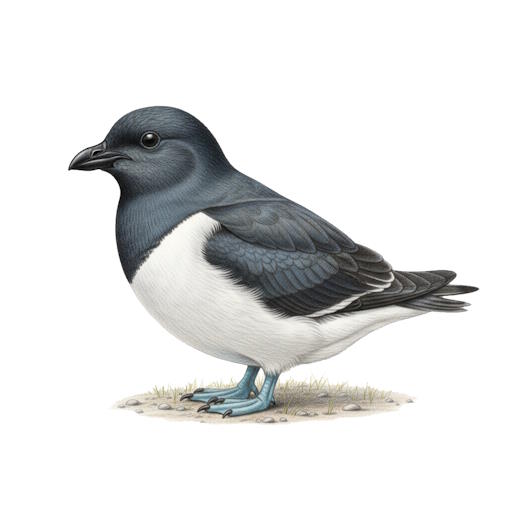
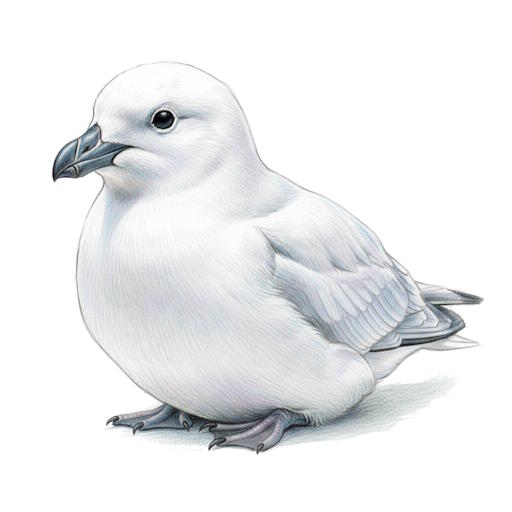
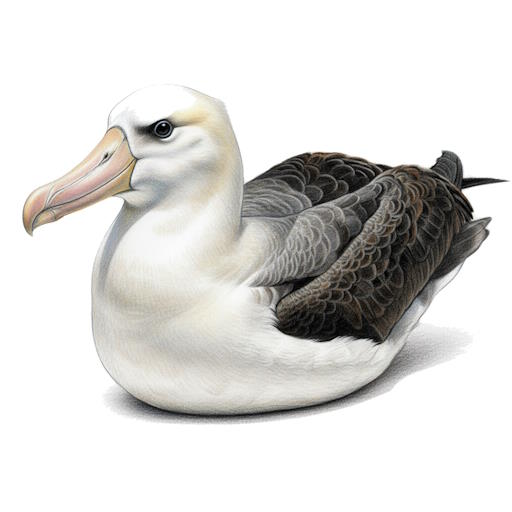
Animals in the order of Procellariiformes
Click on an image to learn more about one of the animals.