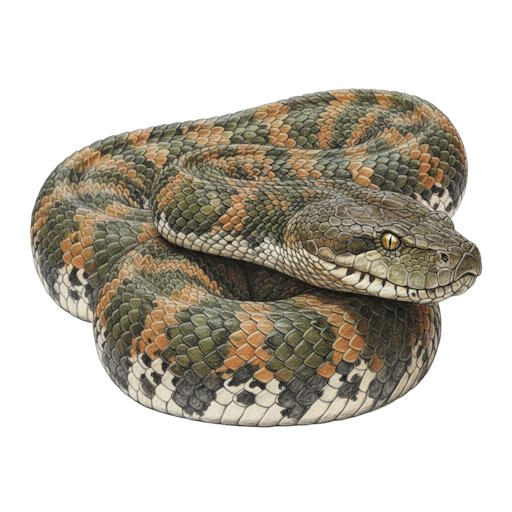
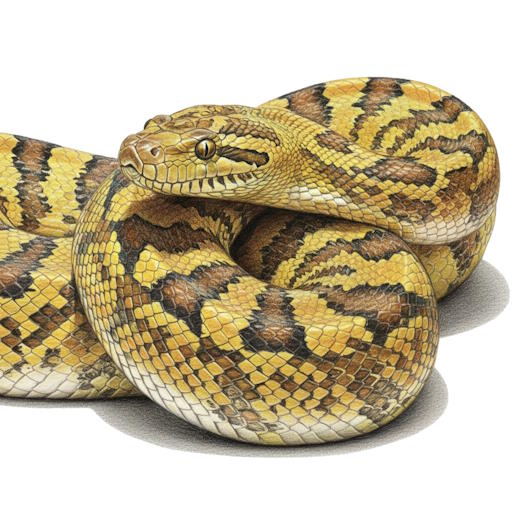
Animal Order: Squamata
The parent class for the order of Squamata is Reptilia.
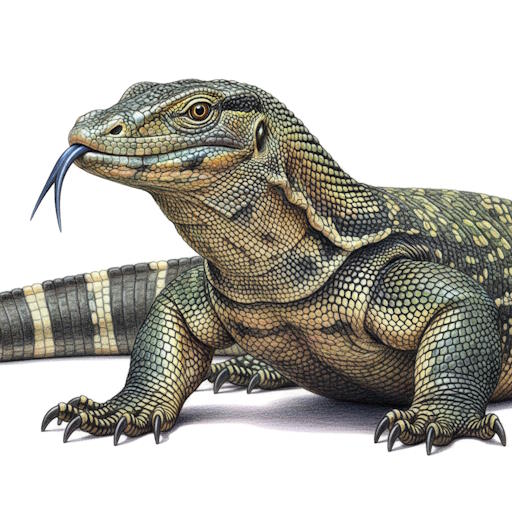
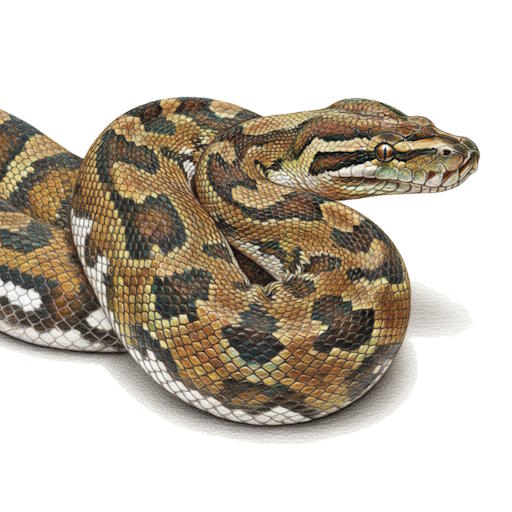
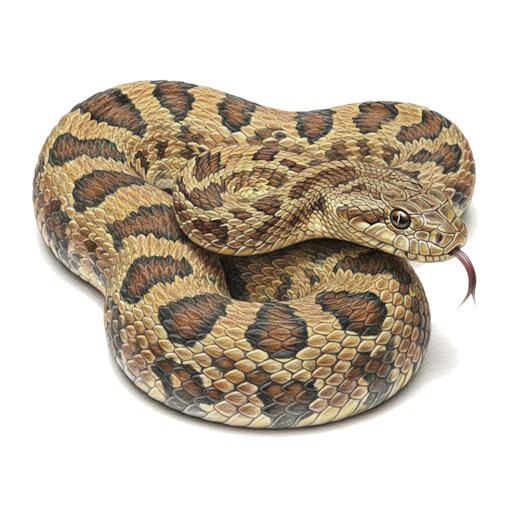
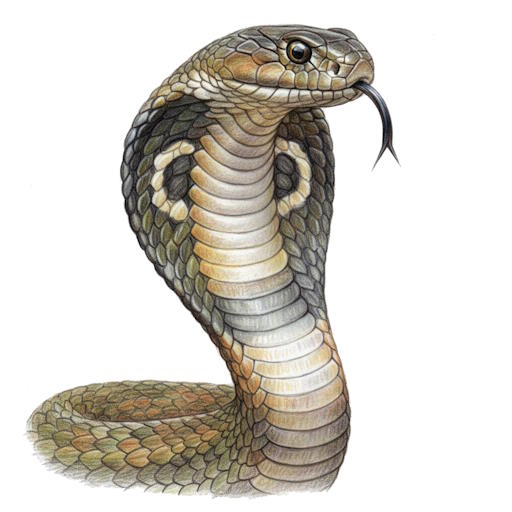
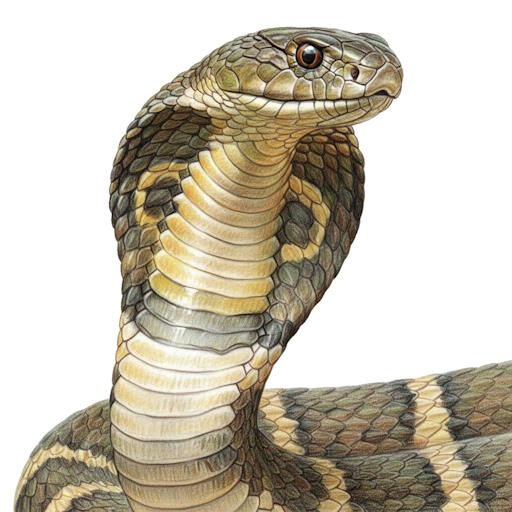
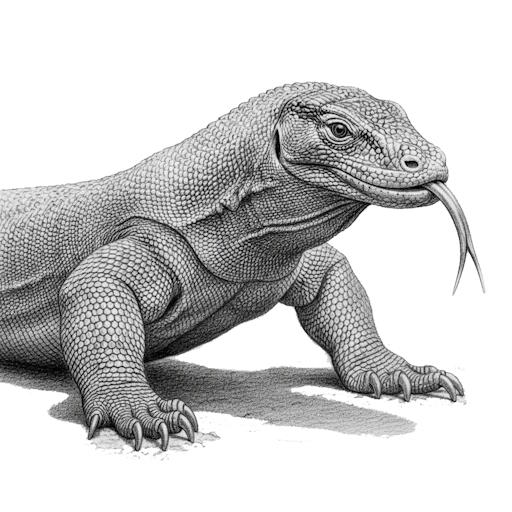
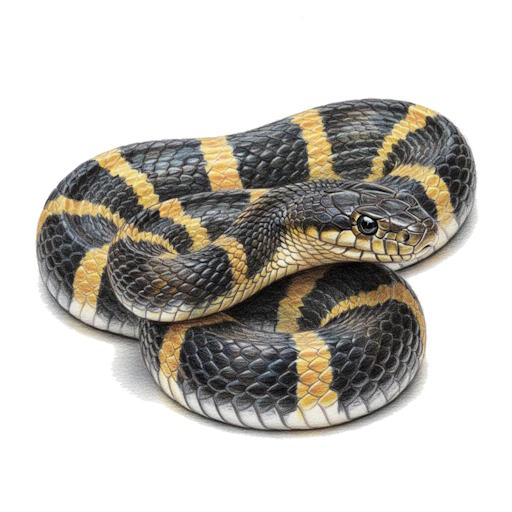
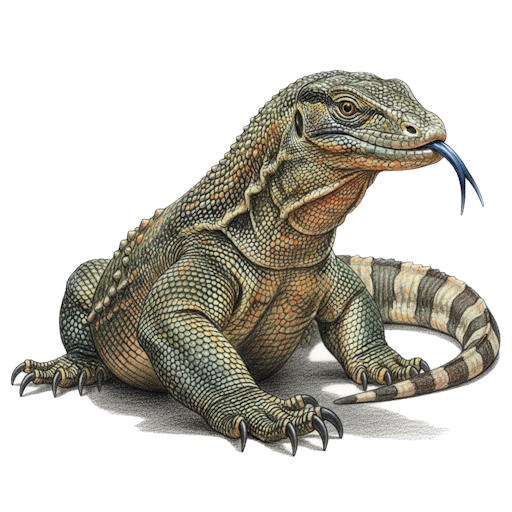
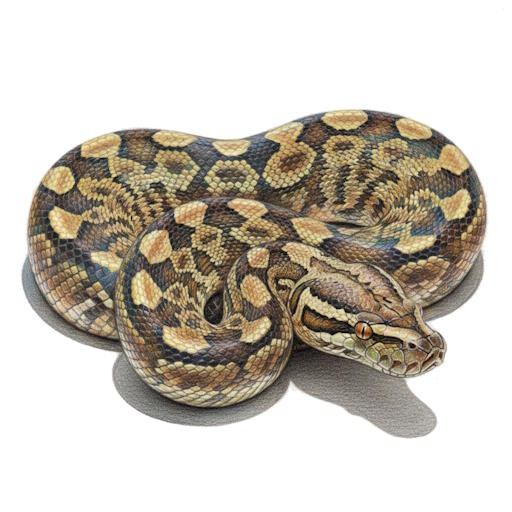
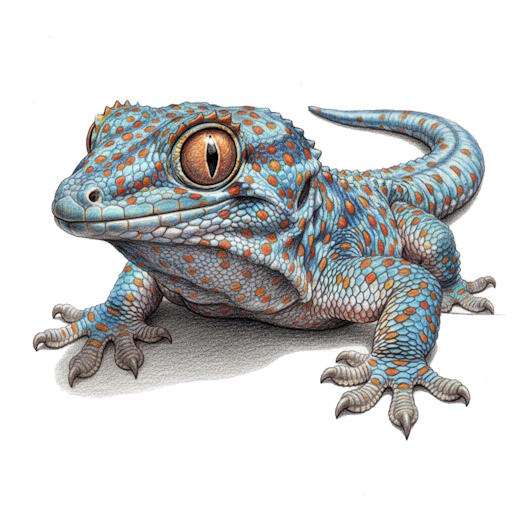
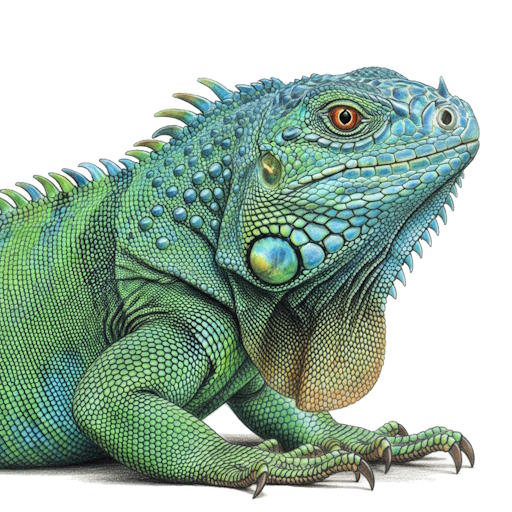
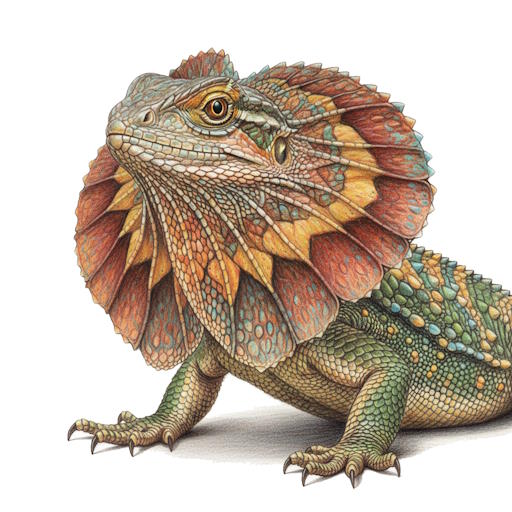
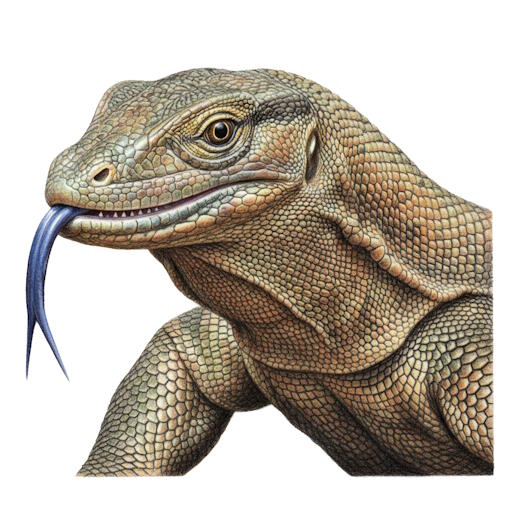
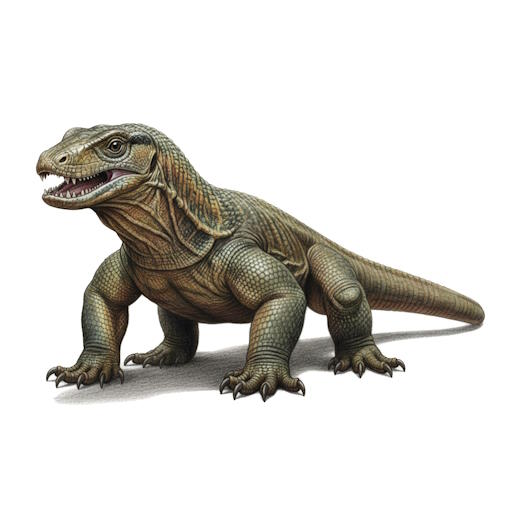
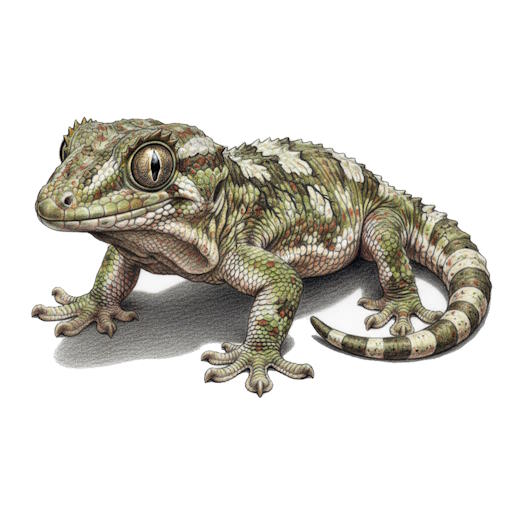
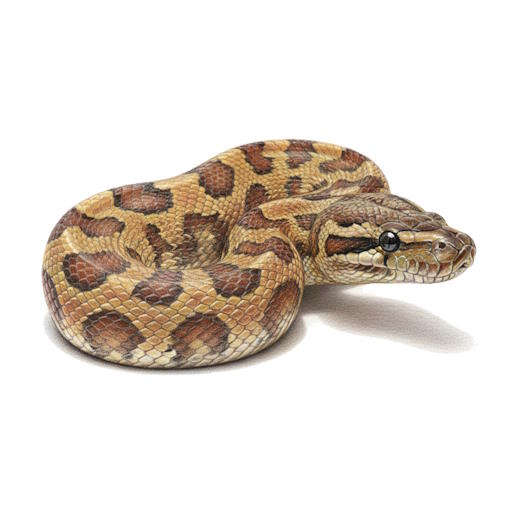
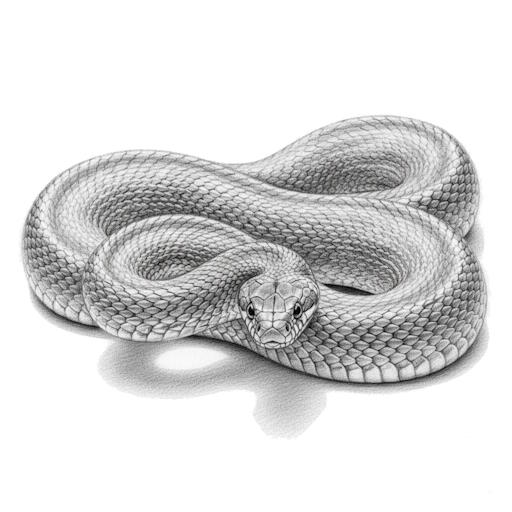
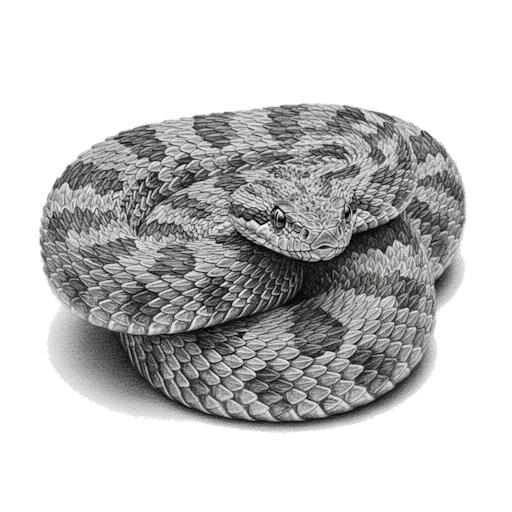
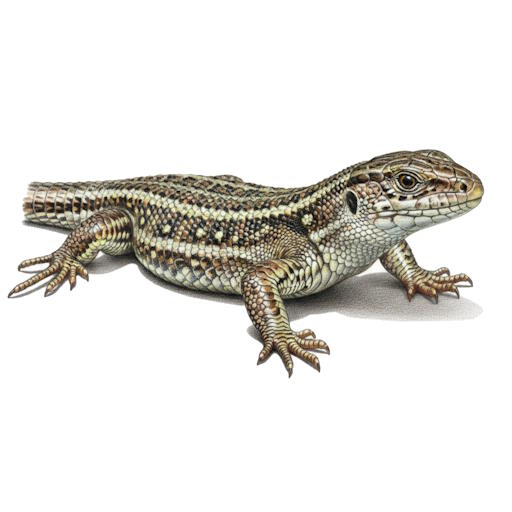
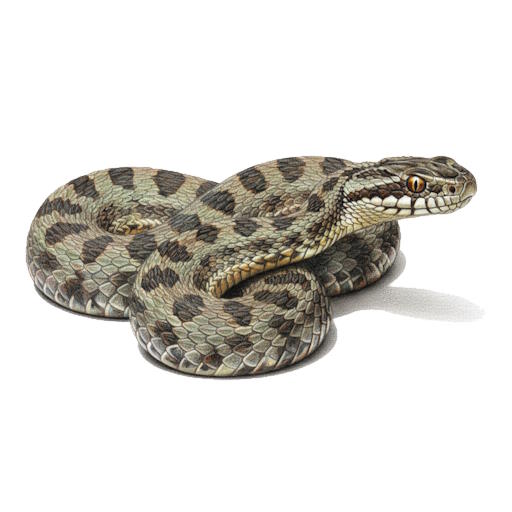
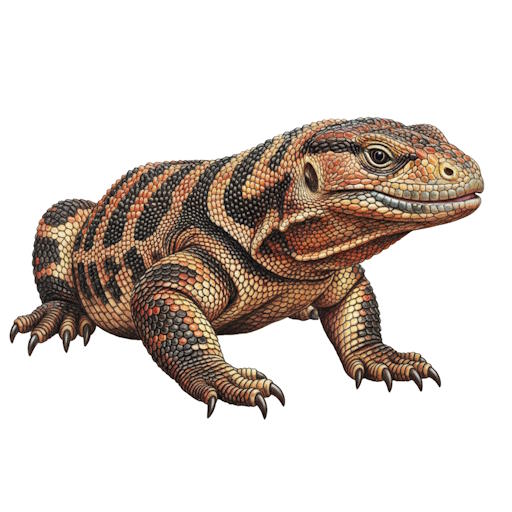
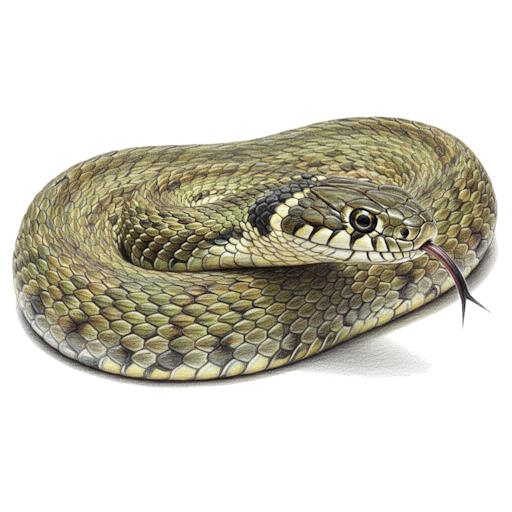
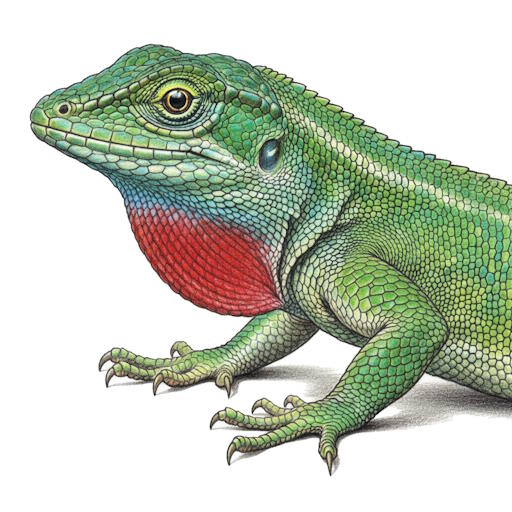
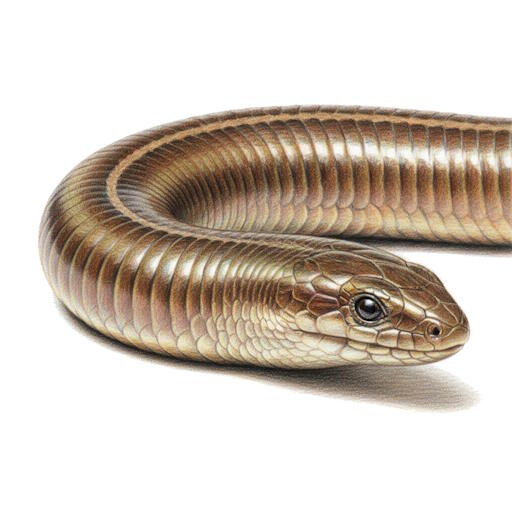
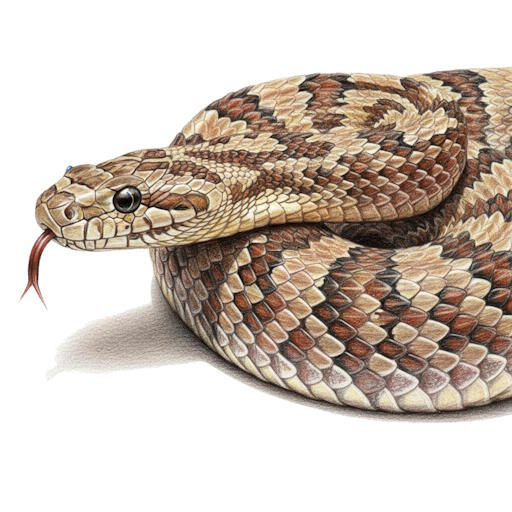
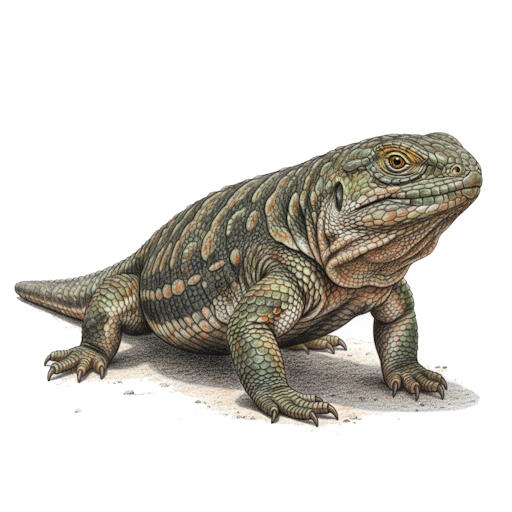
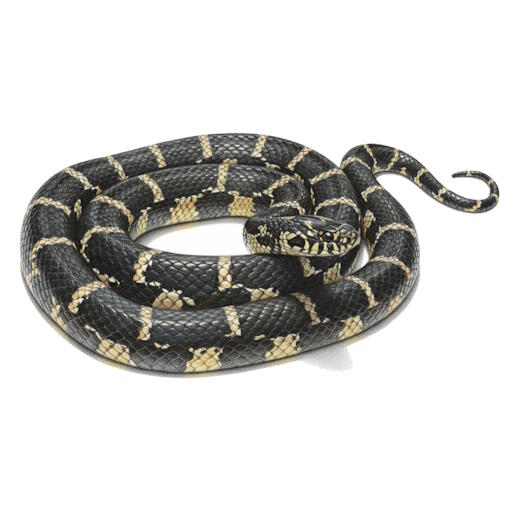
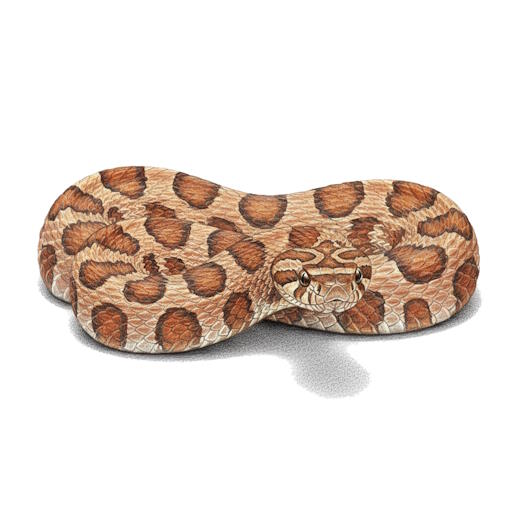
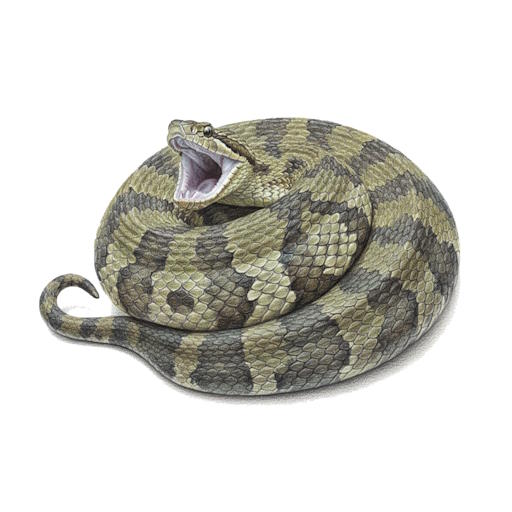
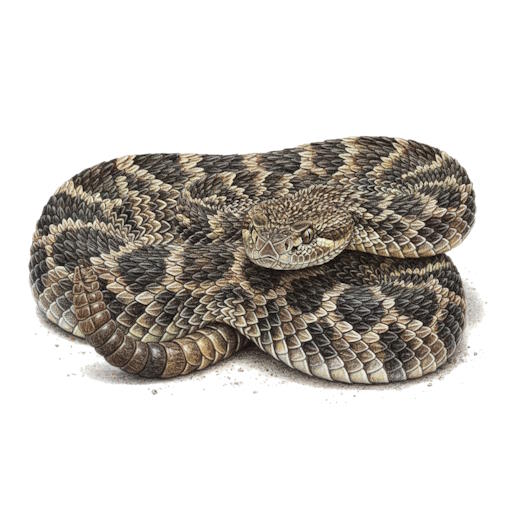
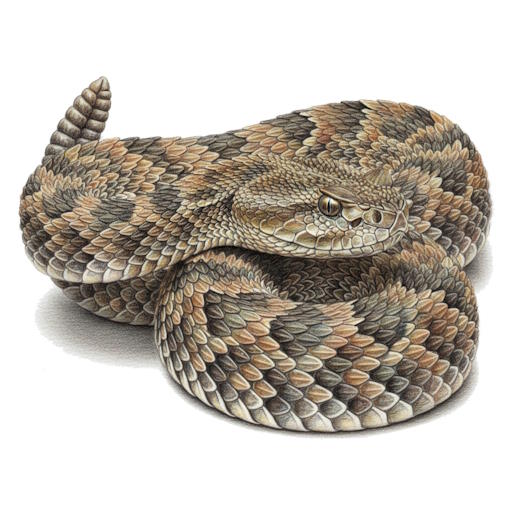
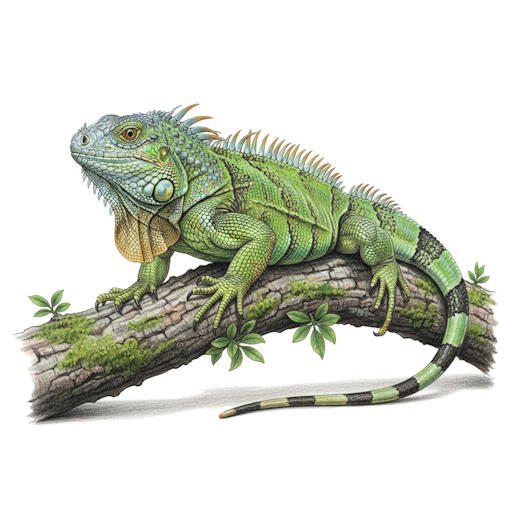
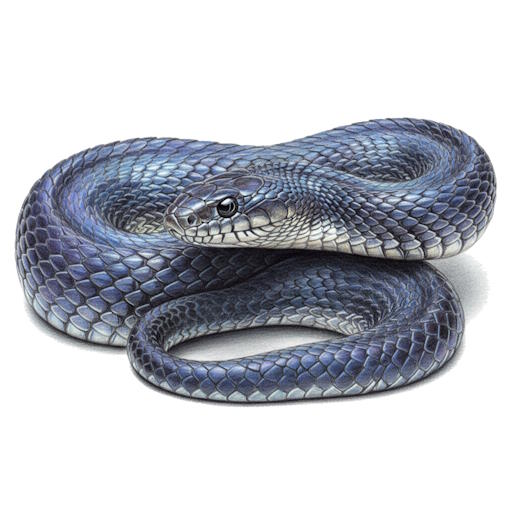
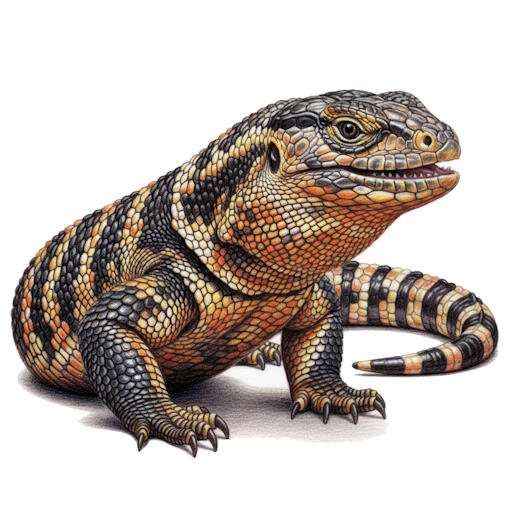
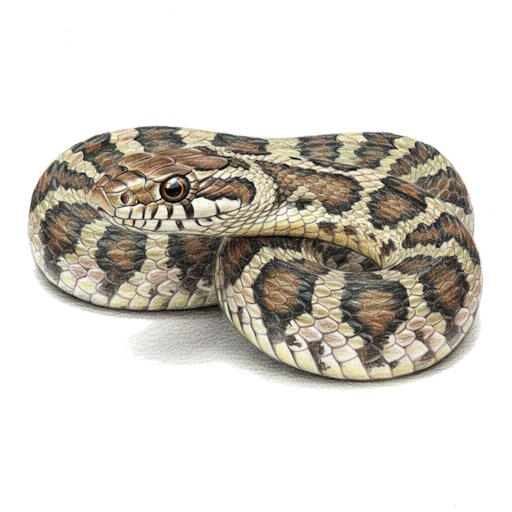
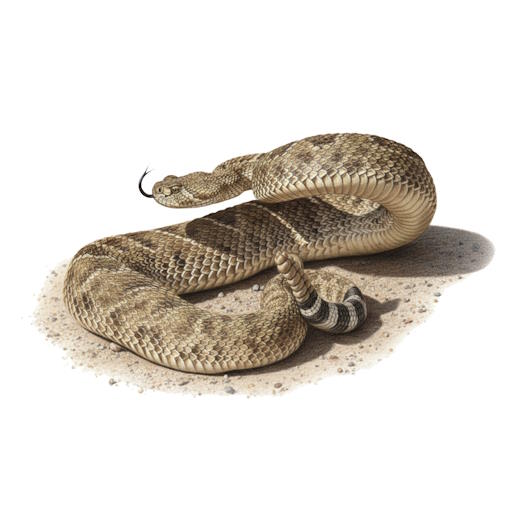
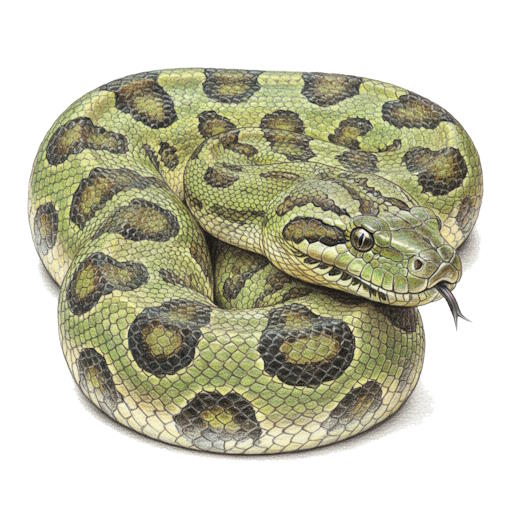
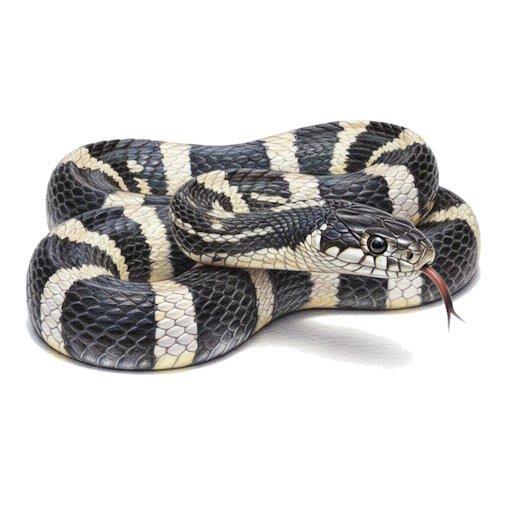
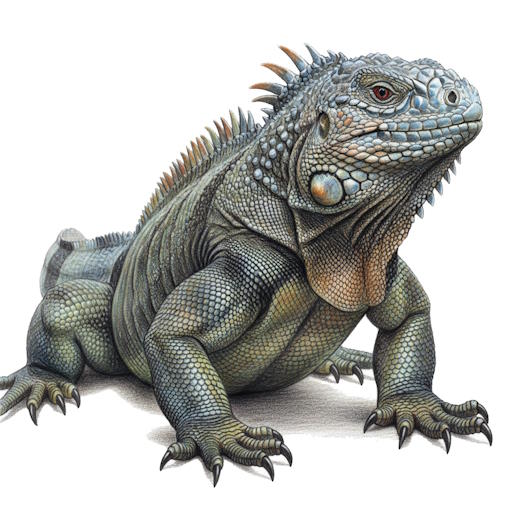
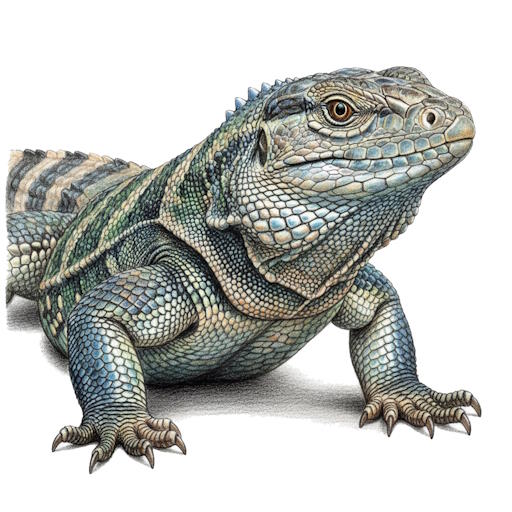
The order Squamata to be one of the most remarkably diverse and evolutionarily successful groups within the animal kingdom, comprising over 10,000 species of lizards, snakes, and amphisbaenians. What truly sets Squamata apart is their unparalleled adaptive radiation, allowing them to thrive in nearly every terrestrial and many aquatic environments across the globe, from arid deserts to dense rainforests and vast oceans.
A defining characteristic unique to Squamata is their highly kinetic skulls, particularly in snakes, which allows for the ingestion of prey much larger than their heads. This incredible flexibility, coupled with specialized dentition adapted for various diets (from insectivory to carnivory), is a key factor in their ecological dominance. Furthermore, their unique ability to shed their skin (ecdysis) in one piece is a process of growth and regeneration, helping to remove parasites and repair injuries.
Squamates exhibit an astonishing array of reproductive strategies, including oviparity (egg-laying), viviparity (live birth), and even parthenogenesis (asexual reproduction in some species), showcasing their exceptional adaptability. Many species also possess highly developed sensory organs, such as the Jacobson's organ for chemoreception in snakes and many lizards, allowing them to "taste" their environment, providing crucial information for hunting and navigation.
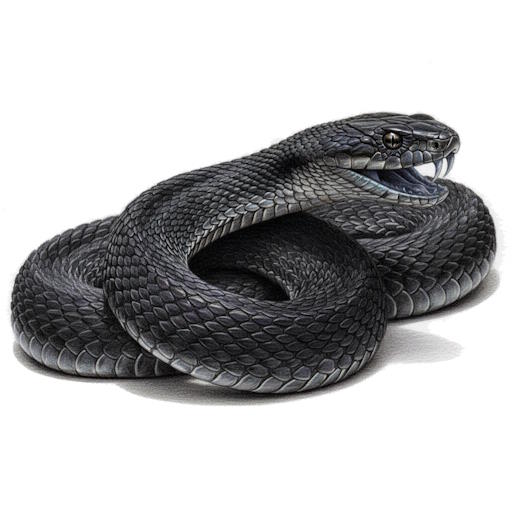
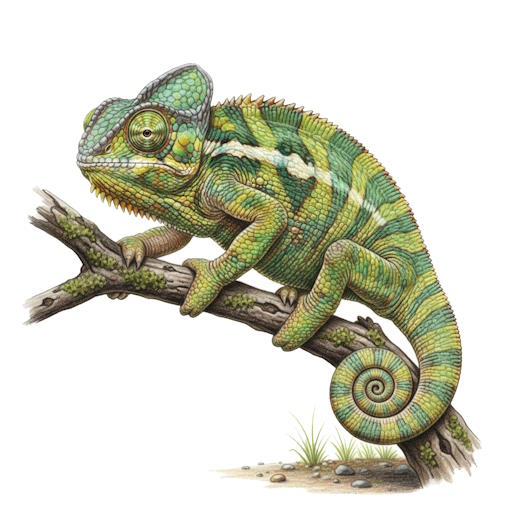
Their evolutionary history is vast, dating back to the Jurassic period, and their success is a testament to their phenotypic plasticity and ability to adapt to changing environmental pressures. From the venomous fangs of a viper to the chameleon's independently moving eyes and prehensile tail, or the legless locomotion of a snake, the morphological and behavioral innovations within Squamata are truly extraordinary.
Understanding Squamata is essential for appreciating the intricate web of life. Their ecological roles are immense, serving as both predators and prey, and their presence is a vital indicator of ecosystem health. Explore the fascinating world of Squamata and discover the unique adaptations that have made them a cornerstone of global biodiversity.
Other Orders
There are many different orders based upon their class. To learn more about classification orders, click here.
Families within Squamata
Within the order of Squamata, there are one or more families of animals that share common characteristics and traits.
Each family represents a more specific grouping within the order, highlighting the diversity and specialization of species that have adapted to various ecological niches. Below is a list of families that fall under this order, showcasing the rich variety of life forms classified within this taxonomic category.
Animals in the order of Squamata
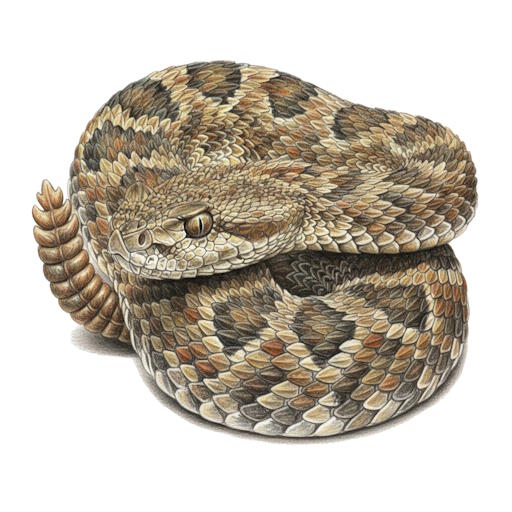
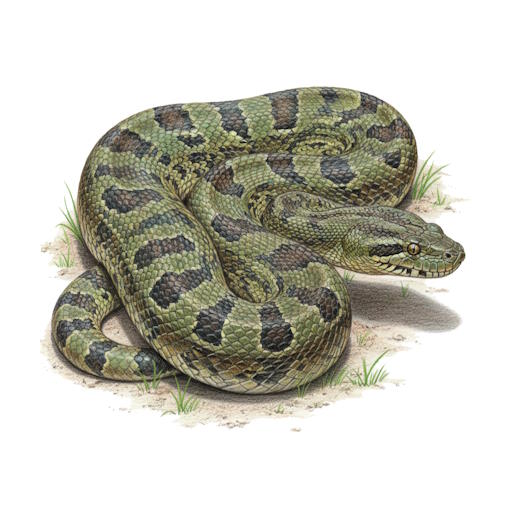
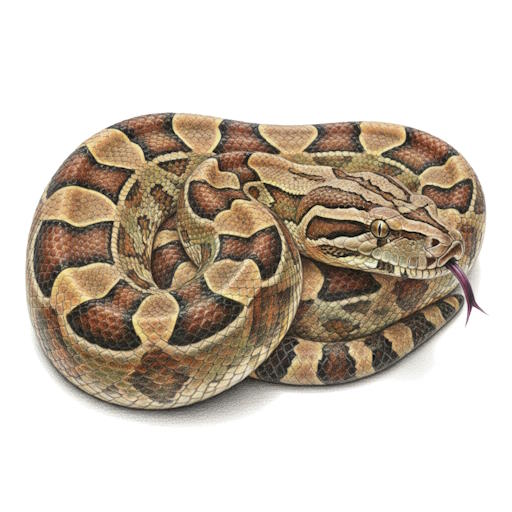
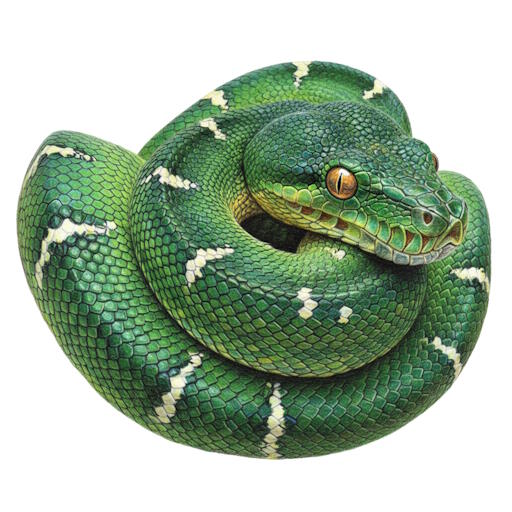
Click on an image to learn more about one of the animals.