Amazon River Dolphin
The Amazon River Dolphin, also known as the Boto or Pink River Dolphin, is a unique and fascinating freshwater dolphin species native to the Amazon and Orinoco river basins in South America. Unlike their marine relatives, these dolphins have adapted to a life in freshwater, with a more flexible neck and a streamlined body that allows them to navigate the flooded forests of the Amazon.
They are known for their striking pink color, which can vary from a grayish-pink to a bright rosy hue. They are believed to be solitary or live in very small groups.
Local folklore often depicts them as a magical being that can transform into a human. The Amazon River Dolphin is an important indicator of the health of the Amazon River ecosystem, and it is a protected species.
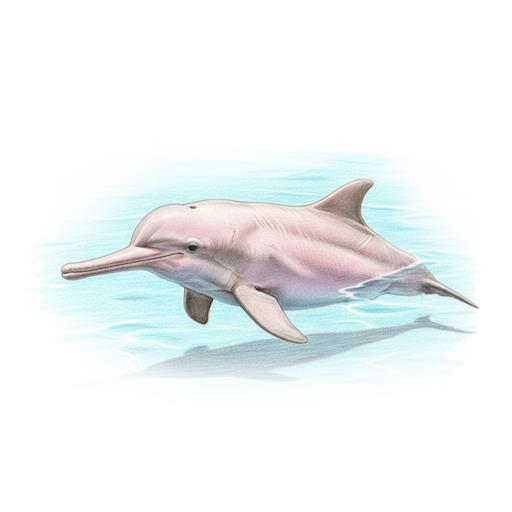
Amazon River Dolphin
Native To
Conservation Status
Average Height
6 - 8 feet
(1.8 - 2.4 m)
Average Weight
200 - 350 lbs
(90 - 159 kg)
Average Life Span
20 - 30 years
Gestation Period
300 days
Did You Know?
The Amazon River Dolphin, also known as the pink river dolphin or boto, is the largest species of river dolphin.
They are found exclusively in the freshwater rivers of the Amazon and Orinoco basins in South America.
Unlike most dolphins, the Amazon River Dolphin has a flexible neck, allowing it to turn its head from side to side.
Their diet consists mainly of fish, but they also eat crabs and small turtles.
Amazon River Dolphins can change their color, ranging from grey to pink, which intensifies with excitement or activity.
Photo Gallery
No images provided yet. Be the first to upload one!