American Alligator
The American Alligator is a large, iconic reptile native to the wetlands and swamps of the southeastern United States. It is a powerful predator that can grow to be over 14 feet long.
Alligators play a crucial role in their ecosystem, acting as a keystone species. By digging holes and creating "gator holes," they create vital watering holes for other animals during dry seasons.
The American Alligator is a master of stealth, and it can lie motionless in the water, waiting for unsuspecting prey to come close. Its diet consists of fish, birds, turtles, and mammals. Once on the brink of extinction, the American Alligator has made a remarkable comeback thanks to successful conservation efforts. It is a true symbol of the American wilderness.
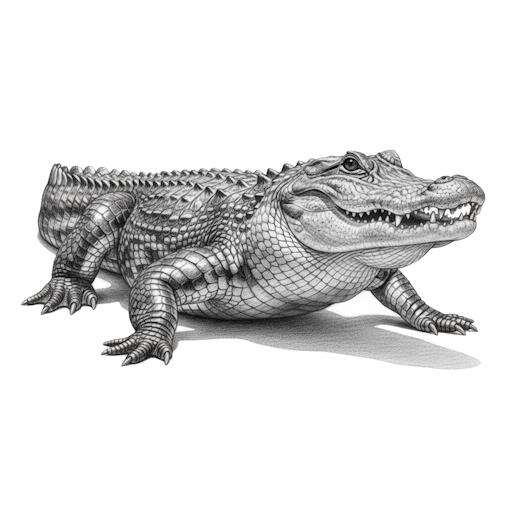
American Alligator
Classification
Reptilia > Crocodilia > Alligatoridae > Alligator > A. mississippiensis
Native To
Conservation Status
Average Height
6 - 15 feet
(1.8 - 4.6 m)
Average Weight
500 - 1,000 lbs
(227 - 454 kg)
Average Life Span
30 - 50 years
Gestation Period
60 - 65 days
Diet
Carnivore (fish, turtles, snakes, small mammals)
Social Structure
Solitary
Biomes
(And Habitats)
Did You Know?
The American Alligator can live for 30 to 50 years in the wild.
They are apex predators, meaning they are at the top of their food chain.
The sex of an American Alligator is determined by the temperature of the nest where the eggs are incubated.
American Alligators have a powerful bite, with a force of up to 2,980 pounds per square inch.
Despite their large size, they can run surprisingly fast on land for short distances.
They are found in the southeastern United States, primarily in freshwater wetlands.
Photo Gallery
No images provided yet. Be the first to upload one!