Arctic Fox
The Arctic Fox is a small, opportunistic predator native to the Arctic regions of the Northern Hemisphere. It is a master of camouflage, with a beautiful white coat in the winter that helps it blend in with the snowy landscape and a brownish-gray coat in the summer that helps it blend in with the rocky tundra.
The Arctic Fox is an incredible survivor, able to withstand temperatures as low as -58°F. Its diet consists of lemmings, voles, and other small animals. It is also known to follow polar bears and other large predators, scavenging for scraps. It is a vital part of the Arctic ecosystem and a true symbol of resilience.
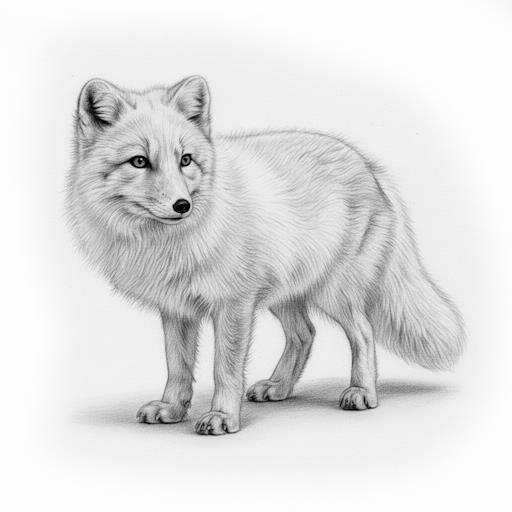
Arctic Fox
Native To
Conservation Status
Average Height
10 - 12 inches
(25 - 30 cm)
Average Weight
6 - 10 lbs
(2.7 - 4.5 kg)
Average Life Span
3 - 6 years
Gestation Period
52 days
Did You Know?
The Arctic Fox has a thick, multi-layered coat that changes color with the seasons, from brown or grey in summer to white in winter, helping it camouflage in its snowy environment.
They have incredibly keen hearing, which they use to locate prey like lemmings and voles moving under the snow.
Arctic Foxes have a special adaptation in their circulatory system that allows them to maintain their body temperature even in extreme cold.
They are opportunistic feeders and will eat almost anything available, including berries, birds, and even carrion left by polar bears.
Arctic Foxes can travel long distances, sometimes hundreds of miles, in search of food.
They have short, rounded ears and a short muzzle, which helps to minimize heat loss in the cold.
Female Arctic Foxes can give birth to large litters, sometimes up to 14 pups, to help ensure survival in harsh conditions.
Photo Gallery
No images provided yet. Be the first to upload one!