Black Caiman
The Black Caiman is a species of caiman native to the slow-moving rivers and lakes of the Amazon basin in South America. It is the largest living member of the alligator family, with some individuals reaching over 16 feet in length.
The Black Caiman is a powerful and opportunistic predator that preys on a wide variety of animals, from fish and capybaras to small deer and anacondas. It is a vital part of its ecosystem, as its presence helps to control the populations of its prey. However, the Black Caiman was once on the brink of extinction due to overhunting for its hide, but a successful conservation program has allowed its populations to rebound.
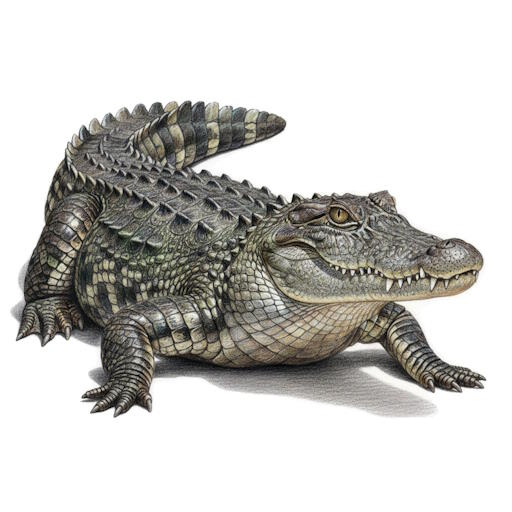
Black Caiman
Classification
Reptilia > Crocodilia > Alligatoridae > Melanosuchus > M. niger
Native To
Conservation Status
Average Height
10 - 15 feet
(3 - 4.6 m)
Average Weight
800 - 1,000 lbs
(360 - 450 kg)
Average Life Span
40 - 50 years
Gestation Period
60 - 70 days
Did You Know?
The Black Caiman is one of the largest living reptiles and the largest predator in the Amazon basin, reaching lengths of up to 16 feet (5 meters).
They are apex predators, meaning they are at the top of their food chain and play a crucial role in maintaining the health of their ecosystem.
Black Caimans have powerful jaws and sharp teeth, allowing them to effectively hunt fish, birds, and even larger mammals.
Unlike most crocodilians, the Black Caiman has dark, almost black scales, which help them absorb heat from the sun and blend into their nocturnal environment.
They are nocturnal hunters, spending their days resting in the water or basking in the sun.
Female Black Caimans build large mound nests for their eggs and are known to be fierce protectors of their young.
Photo Gallery
No images provided yet. Be the first to upload one!