Galapagos Giant Tortoise
The Galapagos Giant Tortoise is a massive, long-lived reptile native to the Galapagos Islands. It is the largest living species of tortoise in the world, with a body weight of over 500 pounds.
The Galapagos Giant Tortoise is a herbivore that feeds on a variety of plants, fruits, and grasses. It is a vital part of its ecosystem, as its grazing habits help to shape the landscape.
The Galapagos Giant Tortoise is an endangered species, with its numbers declining due to habitat loss and predation by introduced species.
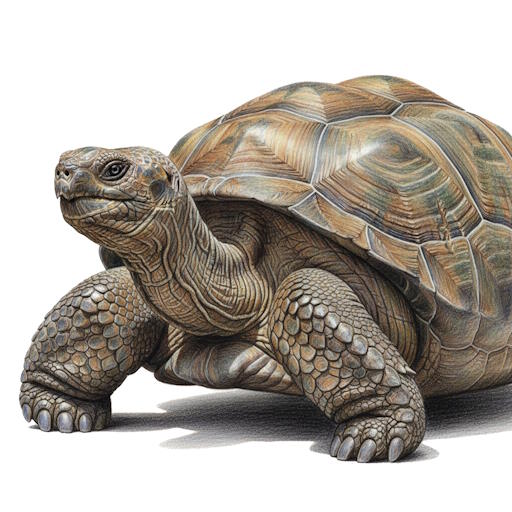
Galapagos Giant Tortoise
Classification
Reptilia > Testudines > Testudinidae > Chelonoidis > C. niger
Native To
Conservation Status
Average Height
3 - 4 feet
(0.9 - 1.2 m)
Average Weight
500 lbs
(227 kg)
Average Life Span
100+ years
Gestation Period
110 - 125 days
Did You Know?
The Galapagos Giant Tortoise is the largest living tortoise species in the world and can weigh over 500 pounds!
They are among the longest-lived vertebrates, with some individuals living for over 100 years, and one famous tortoise named Harriet lived to be 175 years old.
Different islands in the Galapagos have different shell shapes, which helped Charles Darwin develop his theory of evolution. Some have dome-shaped shells, while others have saddleback shells.
Galapagos Giant Tortoises are herbivores, primarily feeding on grasses, leaves, and fruits.
They can survive for long periods without food or water, an adaptation that allowed them to be transported by sailors for food.
When they are young, their shells are softer, but as they grow, their shells become very hard and offer excellent protection.
They play a crucial role in their ecosystem by dispersing seeds through their droppings.
Photo Gallery
No images provided yet. Be the first to upload one!