Giant Tortoise
The Giant Tortoise is a massive, long-lived reptile native to the Galapagos Islands and the Aldabra Atoll. It is the largest living species of tortoise in the world, with a body weight of over 500 pounds.
The Giant Tortoise is a herbivore that feeds on a variety of plants, fruits, and grasses. It is a vital part of its ecosystem, as its grazing habits help to shape the landscape. The Giant Tortoise is an endangered species, with its numbers declining due to habitat loss and predation by introduced species.
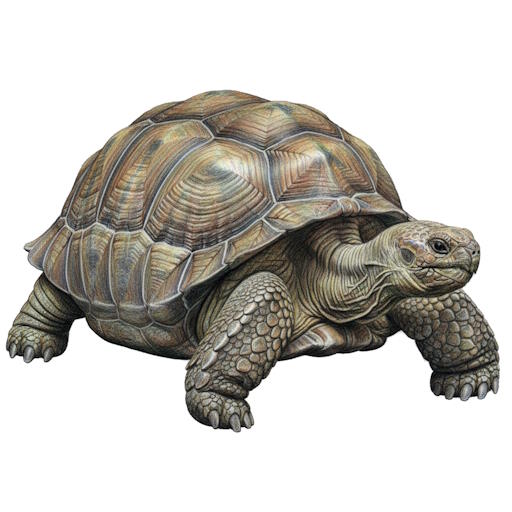
Giant Tortoise
Classification
Reptilia > Testudines > Testudinidae > Chelonoidis > C. niger
Native To
Conservation Status
Average Height
3 - 4 feet
(0.9 - 1.2 m)
Average Weight
500 lbs
(227 kg)
Average Life Span
100+ years
Gestation Period
110 - 125 days
Did You Know?
The Giant Tortoise is the longest-living vertebrate on Earth, with some individuals living for over 100 years!
They can weigh over 900 pounds and grow to be over 4 feet long.
Giant Tortoises are herbivores, mainly eating grasses, leaves, and fruits.
They can go for long periods without food or water, sometimes up to a year.
There are several species of Giant Tortoises, each with unique shell shapes depending on their habitat and diet.
Their slow metabolism contributes to their incredible longevity.
Conservation efforts are underway to protect the remaining Giant Tortoise populations, as many species are endangered.
Photo Gallery
No images provided yet. Be the first to upload one!