Glyptotherium
The Glyptotherium was a massive, extinct species of armadillo relative native to North America. It was known for its huge, dome-shaped shell, which was made up of thousands of small, bony plates.
The Glyptotherium was a herbivore that fed on a variety of plants and grasses. It is believed to have become extinct around 10,000 years ago, likely due to a combination of climate change and hunting by early humans.
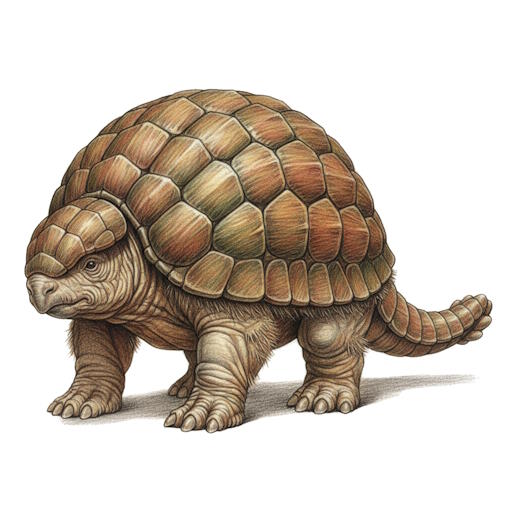
Glyptotherium
Classification
Mammalia > Cingulata > Glyptodontidae > Glyptotherium > G. texanum
Native To
Conservation Status
Average Height
4 feet
(1.2 m)
Average Weight
2,500 lbs
(1,134 kg)
Average Life Span
15 - 20 years
Gestation Period
120 - 130 days
Did You Know?
The Glyptotherium was a large, armored mammal related to armadillos, that lived during the Ice Age.
It had a massive, dome-shaped shell made of bony plates, similar to a tortoise, that could be up to 6 feet long.
Unlike modern armadillos, the Glyptotherium's shell was solid and inflexible, meaning it couldn't roll into a ball for protection.
These herbivores likely fed on tough plants and grasses.
Fossils of Glyptotherium have been found in North and Central America.
They went extinct around 10,000 years ago.
Photo Gallery
No images provided yet. Be the first to upload one!