Gray Wolf
The Gray Wolf is a powerful and social canine native to the Northern Hemisphere. It is a top predator in its environment, and it is known for its complex pack hunting strategy.
The Gray Wolf is a highly social animal that lives in close-knit packs with a strict social hierarchy. It is known for its unique vocalizations, which include a series of howls, yips, and barks.
The Gray Wolf is a vital part of its ecosystem, as its presence helps to control the populations of its prey.
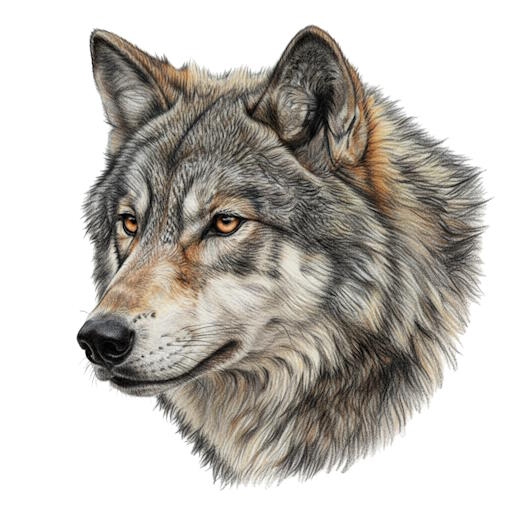
Gray Wolf
Native To
Conservation Status
Average Height
2.5 - 3 feet
(0.8 - 0.9 m)
Average Weight
80 - 100 lbs
(36 - 45 kg)
Average Life Span
6 - 8 years
Gestation Period
62 - 63 days
Diet
Carnivore (deer, elk, moose)
Social Structure
Pack
Biomes
(And Habitats)
Rocky/Steep Habitats and Temperate Forest and Tundra and Polar
(Forests, Mountains and Tundras)
Did You Know?
The Gray Wolf is the largest wild canid in the world.
They live in highly organized social groups called packs, typically consisting of a breeding pair and their offspring.
Gray Wolves communicate using a variety of vocalizations, including howls, barks, growls, and whimpers.
Their diet primarily consists of large ungulates like deer, elk, and moose.
Gray Wolves play a vital role in their ecosystems by helping to control prey populations.
They have incredible endurance and can travel long distances in search of food.
Pups are born blind and deaf and are cared for by the entire pack.
The color of a Gray Wolf's coat can vary from pure white to black, and shades of gray and brown in between.
Photo Gallery
No images provided yet. Be the first to upload one!