King Penguin
The King Penguin (Aptenodytes patagonicus) is a species of penguin that is second in size only to the Emperor Penguin. They are easily recognizable by their vibrant orange-yellow markings on their heads and necks. King Penguins are found in the subantarctic islands, where they form massive breeding colonies of up to hundreds of thousands of birds. They have a unique and long breeding cycle, taking over a year to raise a single chick. Both parents take turns incubating the egg and caring for the chick.
King Penguins are excellent divers, capable of diving to depths of over 1,000 feet to hunt for fish and squid. They are a symbol of the wild and untamed beauty of the subantarctic, with their large colonies creating a stunning spectacle of life.
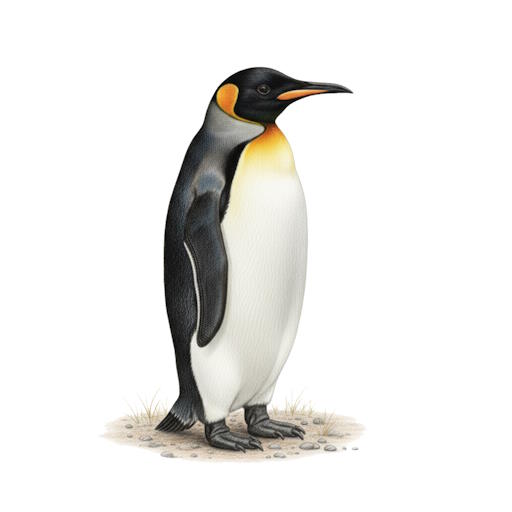
King Penguin
Classification
Aves > Sphenisciformes > Spheniscidae > Aptenodytes > A. patagonicus
Native To
Conservation Status
Average Height
3 feet
(0.9 m)
Average Weight
25 - 35 lbs
(11.3 - 16 kg)
Average Life Span
15 - 20 years
Gestation Period
54 days
Did You Know?
The King Penguin is the second largest species of penguin, after the Emperor Penguin.
They have vibrant orange-gold patches on their necks and heads, which are unique to each individual.
King Penguins can dive to depths of over 1,000 feet (300 meters) to hunt for fish and squid.
Chicks of the King Penguin are covered in fluffy brown down and can take over a year to fledge.
They breed in large colonies that can contain hundreds of thousands of birds.
King Penguins have a unique breeding cycle that lasts between 14 and 16 months, meaning they can only raise two chicks every three years.
Photo Gallery
No images provided yet. Be the first to upload one!