Neosclerocalyptus
Neosclerocalyptus was an extinct genus of glyptodont, a group of massive, armored mammals related to modern armadillos. These incredible creatures roamed what is now South America during the Pleistocene epoch. Their most striking feature was their dome-shaped, bony shell, which was made up of numerous small, interlocking plates. This carapace provided excellent protection against predators.
Unlike modern armadillos, Neosclerocalyptus could not roll into a ball for defense. Instead, their heavily armored body was their primary form of protection.
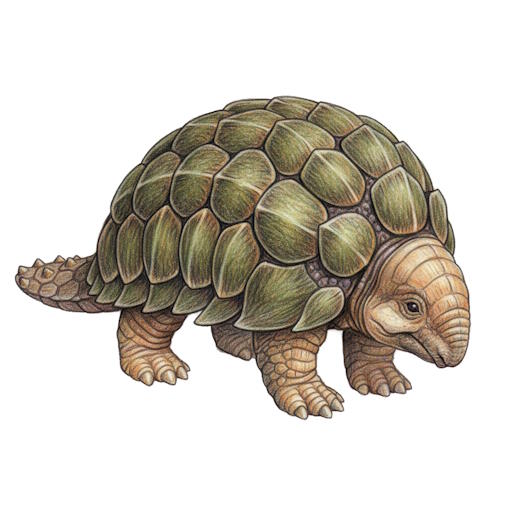
Neosclerocalyptus
Classification
Mammalia > Cingulata > Glyptodontidae > Neosclerocalyptus > N. pseudopaca
Native To
Conservation Status
Average Height
4 feet
(1.2 m)
Average Weight
2,000 lbs
(907 kg)
Average Life Span
15 - 20 years
Gestation Period
120 - 130 days
Did You Know?
The Neosclerocalyptus was a large, extinct type of glyptodont, an armored mammal related to modern armadillos.
It lived in South America during the Pliocene and Pleistocene epochs.
Like other glyptodonts, the Neosclerocalyptus had a large, dome-shaped carapace (shell) made of fused bony plates, offering protection from predators.
Its tail was also encased in bony rings, often ending in a club-like or spiked structure.
Neosclerocalyptus was a herbivore, likely feeding on grasses and other vegetation.
Photo Gallery
No images provided yet. Be the first to upload one!