Raccoon Dog
The Raccoon Dog Nyctereutes procyonoides, also known as the mangut or tanuki, is a canid species native to East Asia. Despite its name and resemblance to the North American raccoon, it is not closely related and is, in fact, a member of the dog family.
The raccoon dog has a thick, plush coat, a short muzzle, and a masked face similar to a raccoon. It is a nocturnal omnivore, with a diet that includes fruits, insects, small rodents, birds, and fish.
Unlike other canids, the raccoon dog is one of the few that enters a state of torpor or hibernation during the winter, a unique adaptation to cold climates. They are social animals and often live in pairs or small family groups. Raccoon dogs are known for their docile nature and are often kept as pets in some parts of the world.
In Japanese folklore, the tanuki is a figure of mischief and good luck, often depicted with a large belly and magical abilities. The raccoon dog's unique blend of physical and behavioral traits makes it a fascinating and beloved animal in its native range.
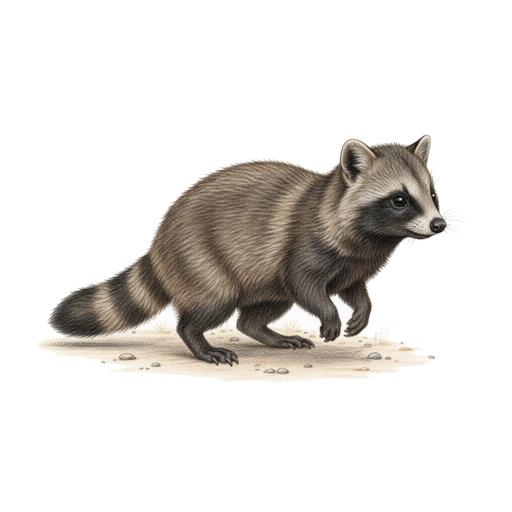
Raccoon Dog
Native To
Conservation Status
Average Height
1.5 - 2 feet
(0.4 - 0.6 m)
Average Weight
8 - 15 lbs
(3.6 - 6.8 kg)
Average Life Span
6 - 8 years
Gestation Period
60 - 70 days
Did You Know?
The Raccoon Dog is not closely related to raccoons, but rather belongs to the canid family, which includes foxes, wolves, and domestic dogs.
They are the only canids known to hibernate, though their hibernation is not as deep as that of other hibernating mammals.
Raccoon Dogs are native to East Asia and are known for their distinctive facial markings that resemble a raccoon's mask.
They are omnivores, with a varied diet that includes fruits, berries, insects, rodents, birds, and amphibians.
Raccoon Dogs are monogamous and typically form pair bonds, with both parents helping to raise the pups.
They are excellent climbers and can often be found in trees, especially when foraging for food or escaping predators.
Photo Gallery
No images provided yet. Be the first to upload one!