Saltwater Crocodile
The Saltwater Crocodile Crocodylus porosus, also known as the "saltie," is the largest living reptile in the world. Native to brackish and saltwater habitats in Southeast Asia and Australia, it can reach lengths of over 20 feet and weigh more than a ton.
The Saltwater Crocodile is a powerful apex predator with an incredibly strong bite and a high level of intelligence. It is an opportunistic hunter, preying on a wide variety of animals, including fish, birds, mammals, and even other crocodiles. It is a master of camouflage, often waiting for its prey to come to the water's edge before launching a surprise attack.
Saltwater Crocodiles are an ancient species, with an evolutionary history dating back millions of years. While they are now a protected species in many areas, they still face threats from habitat loss and human-crocodile conflict.
The Saltwater Crocodile is a true living fossil, a powerful and awe-inspiring creature that has survived for eons and continues to play a vital role in its ecosystem.
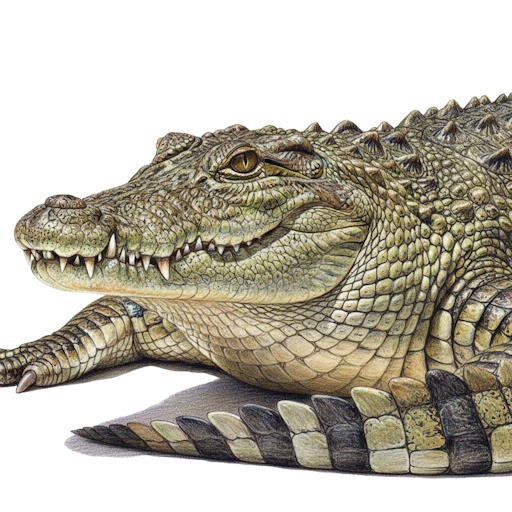
Saltwater Crocodile
Classification
Reptilia > Crocodilia > Crocodylidae > Crocodylus > C. porosus
Conservation Status
Average Height
14 - 17 feet
(4.3 - 5.2 m)
Average Weight
1,000 - 2,000 lbs
(454 - 907 kg)
Average Life Span
70 years
Gestation Period
80 - 90 days
Did You Know?
The Saltwater Crocodile is the largest living reptile in the world, capable of reaching lengths of over 20 feet and weighing more than a ton!
They are incredibly powerful predators and can be found in saltwater and brackish environments across Southeast Asia and Northern Australia.
Saltwater Crocodiles have the strongest bite force of any animal, capable of delivering a crushing pressure of up to 3,700 pounds per square inch.
They are ambush predators, often waiting patiently for prey near the water's edge before launching a surprise attack.
Saltwater Crocodiles are excellent swimmers and can hold their breath for extended periods underwater.
They are long-lived animals, with some individuals estimated to live over 70 years.
Photo Gallery
No images provided yet. Be the first to upload one!