Sloth Bear
The Sloth Bear Melursus ursinus is a species of bear native to the forests and grasslands of the Indian subcontinent. It is known for its shaggy, black coat, long, sickle-shaped claws, and a long, mobile snout.
The Sloth Bear's unique features are adaptations to its specialized diet of ants and termites. It uses its long claws to dig into termite mounds and its long snout to suck up the insects.
The Sloth Bear is a solitary and nocturnal animal, spending its nights foraging for food. It is a powerful and intelligent animal, but it is also a shy and reclusive one.
While the Sloth Bear is not considered endangered, it does face threats from habitat loss and human-wildlife conflict. The Sloth Bear is a true symbol of the unique and diverse fauna of South Asia, and its specialized diet and unique appearance make it a fascinating animal to study.
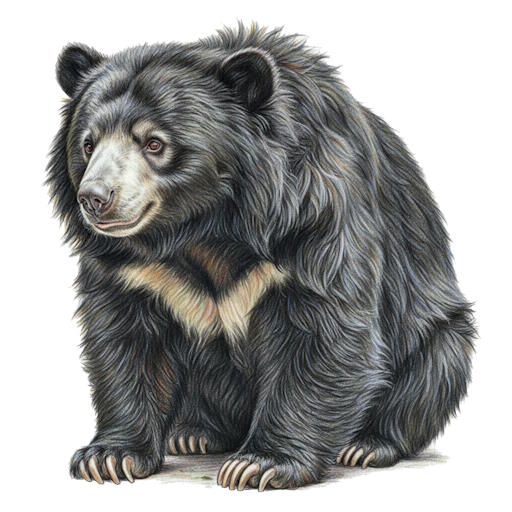
Sloth Bear
Native To
Conservation Status
Average Height
2.5 - 3 feet
(0.8 - 0.9 m)
Average Weight
200 - 300 lbs
(90 - 136 kg)
Average Life Span
20 - 25 years
Gestation Period
180 - 210 days
Did You Know?
The Sloth Bear is native to the Indian subcontinent and is known for its shaggy black coat and long, curved claws.
Unlike other bears, Sloth Bears do not hibernate.
They have a unique ability to close their nostrils, which helps them suck up insects, especially termites and ants, their primary food source.
Sloth Bears have a distinctive V-shaped white or yellowish mark on their chest.
They are nocturnal animals and have poor eyesight and hearing, but an excellent sense of smell.
Female Sloth Bears often carry their young on their backs, even when climbing trees.
Photo Gallery
No images provided yet. Be the first to upload one!