Western Chorus Frog
The Western Chorus Frog Pseudacris triseriata is a small species of frog native to the wetlands and grasslands of North America. It is a small and slender amphibian, known for its unique "creaking" or "trilling" breeding calls, which sound like a thumb running along the teeth of a comb.
The Western Chorus Frog is an important part of its ecosystem, as it helps to control insect populations and serves as a food source for a variety of predators. It is a secretive and shy animal that is rarely seen. While the Western Chorus Frog is not currently considered endangered, it does face threats from habitat loss and pollution.
The Western Chorus Frog's unique vocalizations and its small size make it a fascinating and important animal of the North American wetlands.
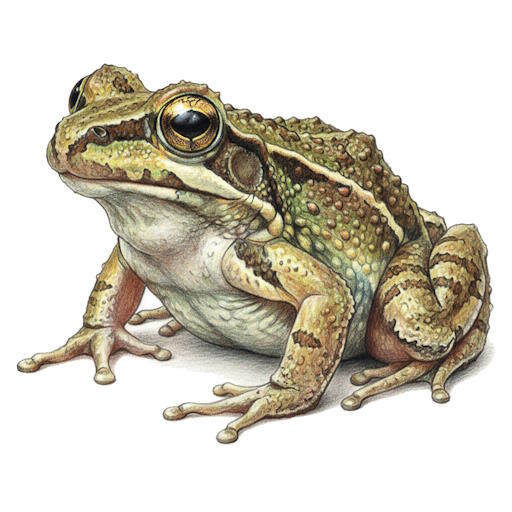
Western Chorus Frog
Native To
Conservation Status
Average Height
0.75 - 1.5 inches
(1.9 - 3.8 cm)
Average Weight
0.1 - 0.2 oz
(3 - 6 g)
Average Life Span
1 year
Gestation Period
10 - 14 days
Did You Know?
The Western Chorus Frog is a small, North American frog known for its loud, chorus-like calls, especially during breeding season.
These frogs are quite small, typically growing to about 1 inch (2.5 cm) in length.
They can be found in a variety of habitats, including grasslands, wetlands, and forests, often near temporary ponds or marshes.
The Western Chorus Frog has sticky toe pads that help it climb on plants and other surfaces.
Their diet primarily consists of small invertebrates like insects and spiders.
Photo Gallery
No images provided yet. Be the first to upload one!