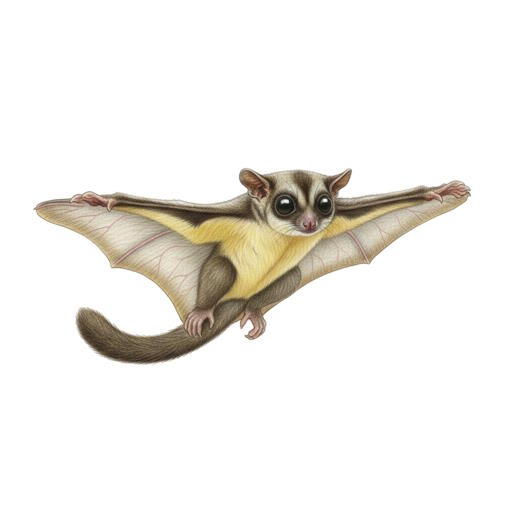
Animal Order: Diprotodontia
The parent class for the order of Diprotodontia is Mammalia.
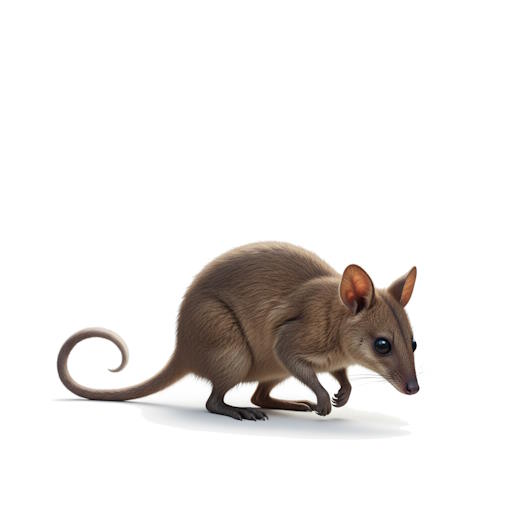
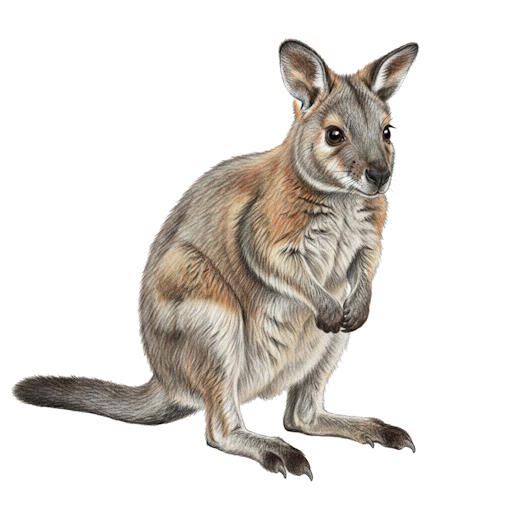
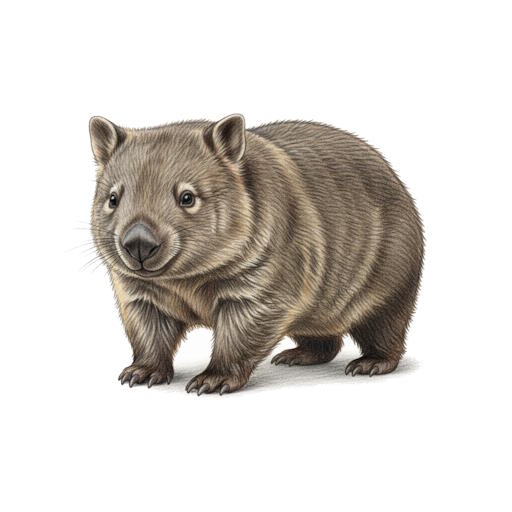
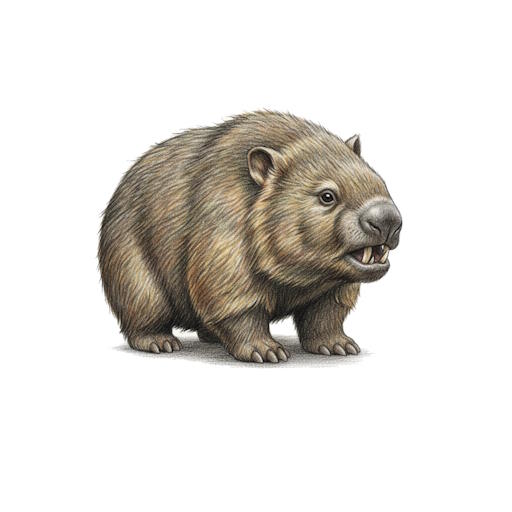
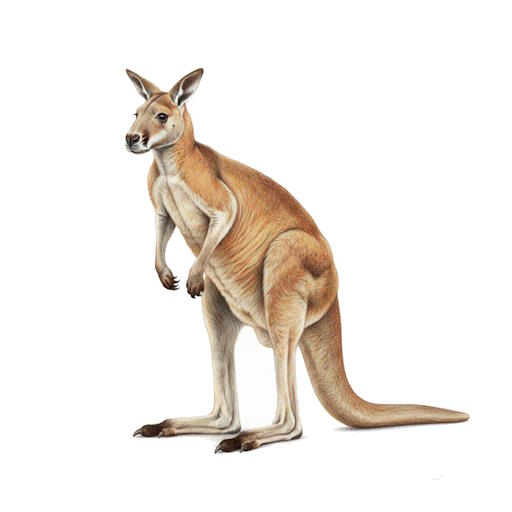
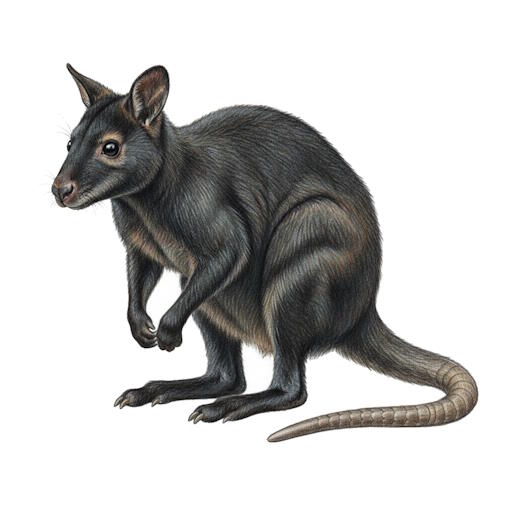
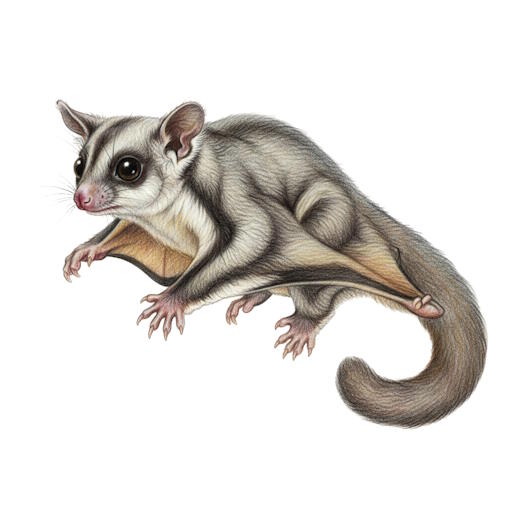
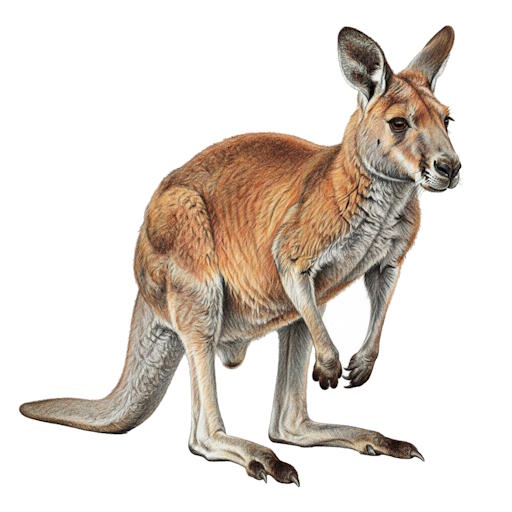
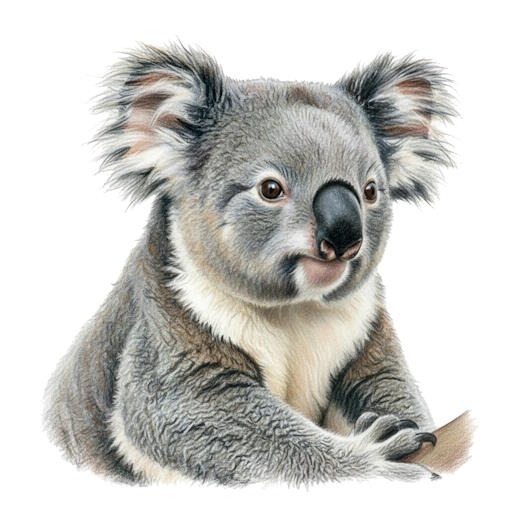
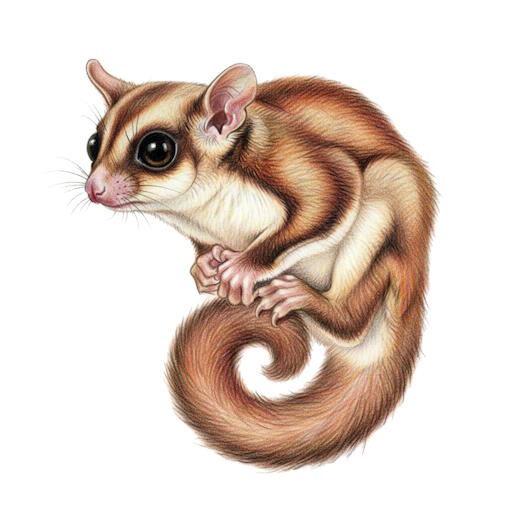
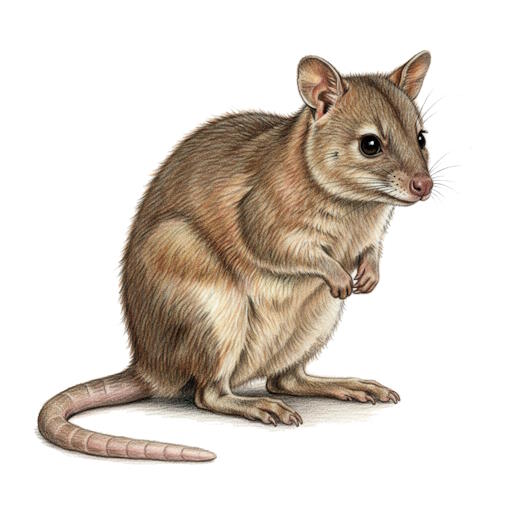
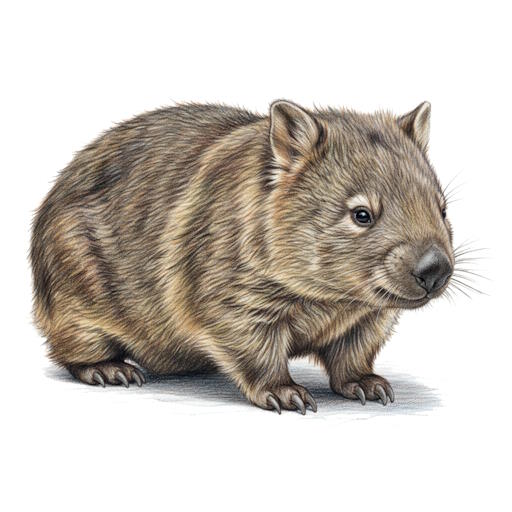
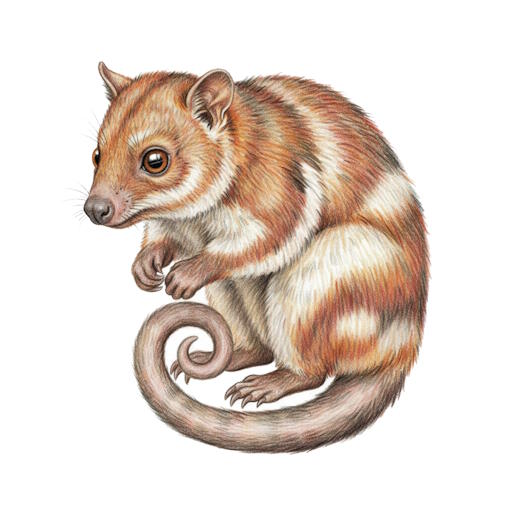
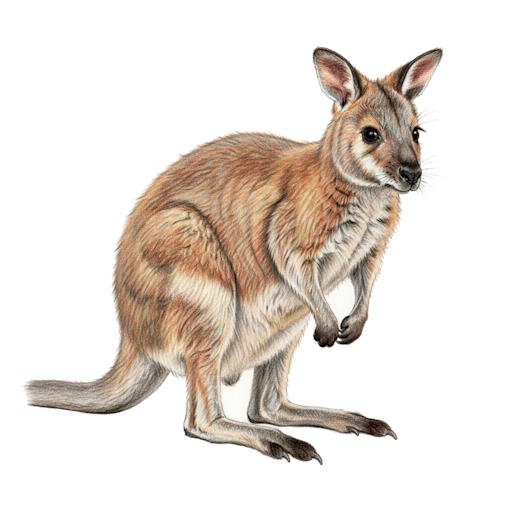
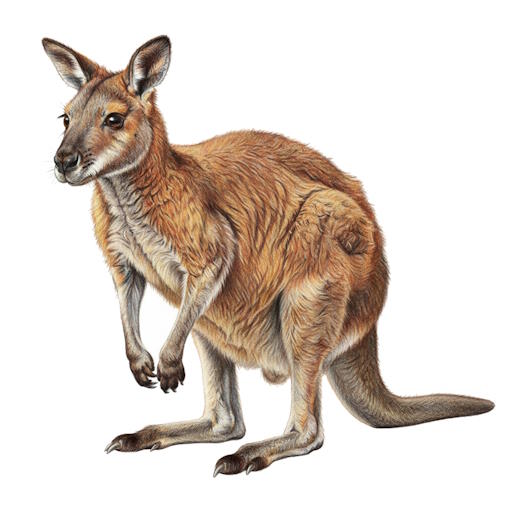
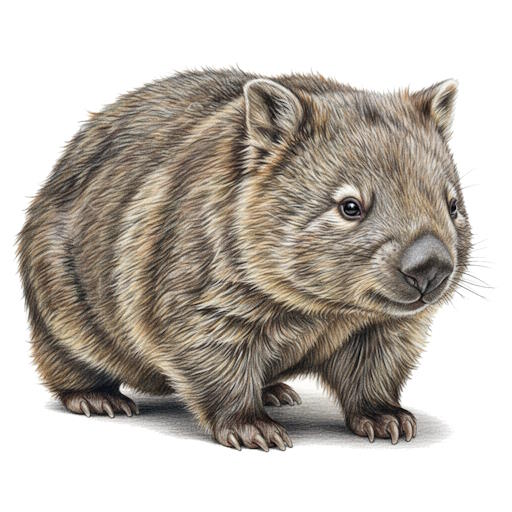
Few mammalian orders are as distinctly captivating and ecologically diverse as Diprotodontia. This remarkable order, found predominantly in Australia and New Guinea, encompasses an incredible array of iconic marsupials, including kangaroos, wallabies, koalas, wombats, and possums. What truly sets Diprotodontia apart in the animal kingdom is their unique dental and foot morphology, which are key to their evolutionary success and diverse ecological niches.
The name "Diprotodontia" itself, meaning "two forward teeth," refers to their most defining dental characteristic: a pair of greatly elongated, procumbent lower incisors that meet corresponding upper incisors. This specialized dentition is perfectly adapted for their largely herbivorous diets, allowing for efficient nipping and processing of plant material. Unlike other mammals, these incisors often continue to grow throughout life, ensuring a consistently sharp cutting edge for grazing or browsing.
Beyond their distinctive teeth, diprotodonts exhibit another remarkable adaptation: syndactyly. This refers to the fusion of the second and third toes of the hindfoot, which are enclosed in a common flap of skin, though they retain separate claws. While this might seem unusual, these fused digits function as a highly effective grooming comb, crucial for maintaining their fur. In many species, particularly the macropods (kangaroos and wallabies), the hind limbs are powerfully developed for saltatorial locomotion (hopping), a highly efficient mode of travel across arid landscapes, further distinguishing them within the animal kingdom.
Their reproductive strategy, common to all marsupials, also highlights their uniqueness. Diprotodonts give birth to highly altricial young, which complete their development within a protective pouch (marsupium). This maternal care system allows for flexibility in reproduction, enabling mothers to raise young even in unpredictable environments. From the arboreal koalas with their specialized eucalyptus diet to the powerful hopping kangaroos that dominate open grasslands, the order Diprotodontia showcases an extraordinary example of adaptive radiation and ecological specialization, making them a cornerstone of Australasian biodiversity and a source of endless fascination for zoologists worldwide.
Other Orders
There are many different orders based upon their class. To learn more about classification orders, click here.
Families within Diprotodontia
Within the order of Diprotodontia, there are one or more families of animals that share common characteristics and traits.
Each family represents a more specific grouping within the order, highlighting the diversity and specialization of species that have adapted to various ecological niches. Below is a list of families that fall under this order, showcasing the rich variety of life forms classified within this taxonomic category.
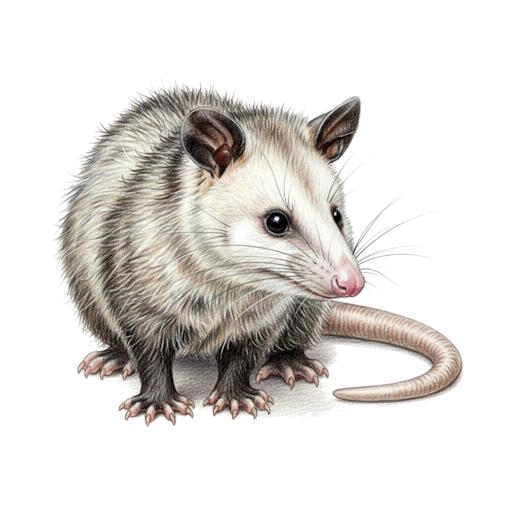
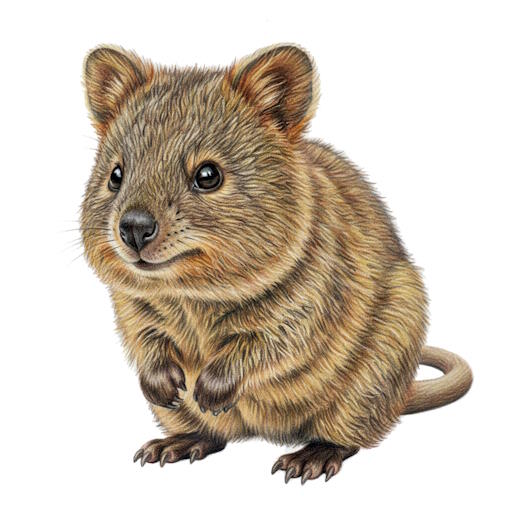
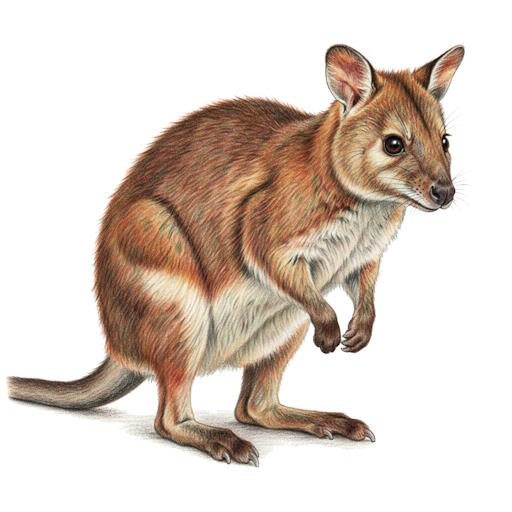
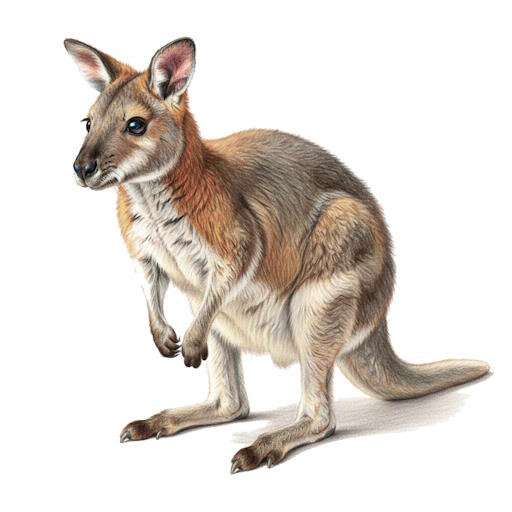
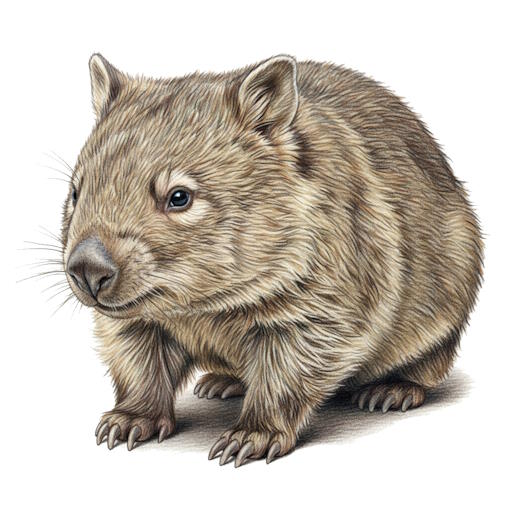
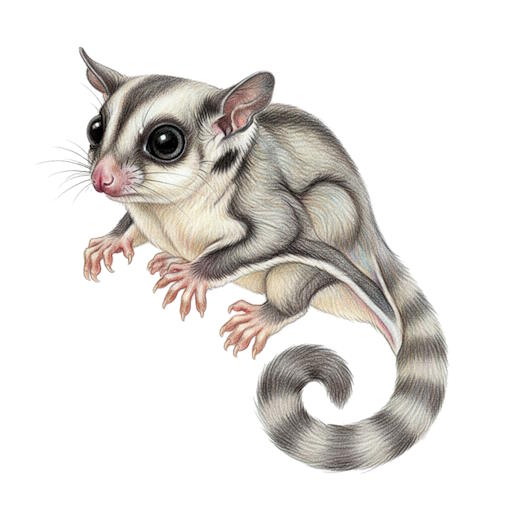
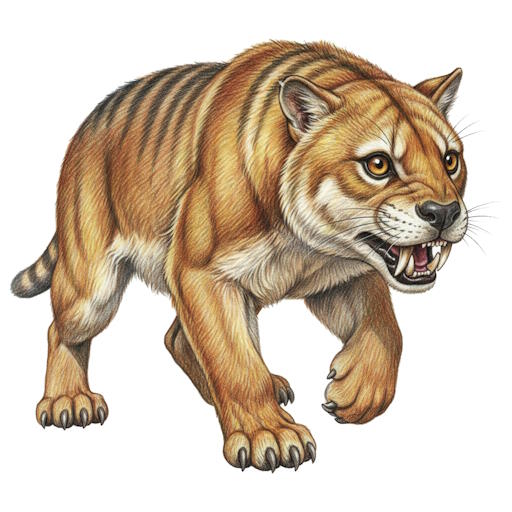
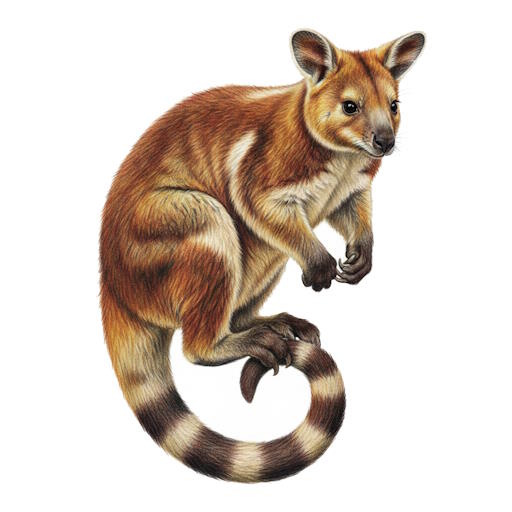
Animals in the order of Diprotodontia
Click on an image to learn more about one of the animals.