Aesculapian Snake
The Aesculapian Snake is a long, slender, and non-venomous snake native to much of Central and Southern Europe. It is famous for its association with the Greek god of medicine, Asclepius, and its image is still used today as a symbol of medicine and pharmacies—the Rod of Asclepius.
This snake is an agile climber, often found in forests, rocky slopes, and near rivers. Its diet consists of small mammals, birds, and their eggs. Despite its intimidating appearance, it is a shy and secretive creature that avoids human contact whenever possible.
The Aesculapian Snake is a protected species in many parts of its range, and its presence is often an indicator of a healthy and diverse ecosystem. Its beautiful, olive-green or brownish scales and peaceful nature make it a captivating reptile.
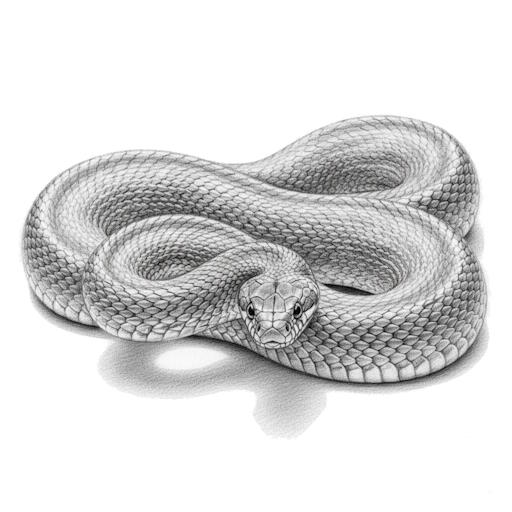
Aesculapian Snake
Classification
Reptilia > Squamata > Colubridae > Zamenis > Z. longissimus
Native To
Conservation Status
Average Height
5 - 6 feet
(1.5 - 1.8 m)
Average Weight
2 - 3 lbs
(0.9 - 1.4 kg)
Average Life Span
20 - 25 years
Gestation Period
60 - 70 days
Did You Know?
The Aesculapian Snake is one of Europe's largest snakes, capable of reaching lengths of up to 2 meters (6.5 feet).
These snakes are excellent climbers and are often found in trees and shrubs, where they hunt for birds and their eggs.
The Aesculapian Snake is non-venomous and kills its prey by constriction.
In ancient Greek and Roman mythology, the Aesculapian Snake was associated with Asclepius, the god of medicine and healing, and is still a symbol of medicine today.
They are typically found in warm, humid environments, often near water sources, and are common in parts of Southern and Central Europe.
Despite their size, Aesculapian Snakes are generally shy and reclusive, preferring to avoid human contact.
Photo Gallery
No images provided yet. Be the first to upload one!