Blue Whale
The Blue Whale is a marine mammal and the largest animal on Earth, with a body length of up to 100 feet and a weight of up to 200 tons. It is a magnificent and gentle giant of the sea, and it is a true symbol of the ocean's majesty.
The Blue Whale is a filter feeder, and its diet consists almost entirely of krill. It can consume up to 4 tons of krill a day.
Blue Whales are known for their incredibly loud vocalizations, which can be heard for thousands of miles. They are a vital part of the marine ecosystem, but their numbers have been decimated by whaling.
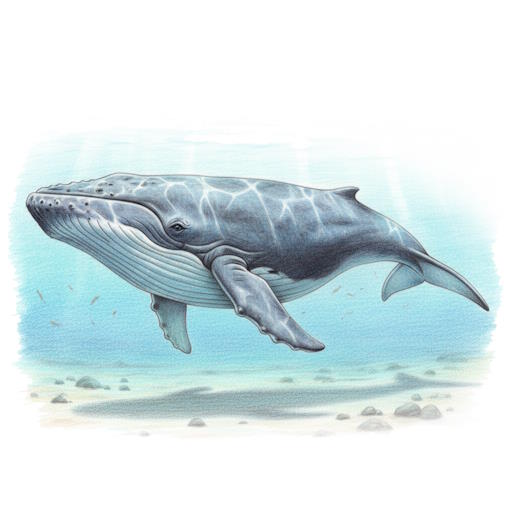
Blue Whale
Classification
Mammalia > Cetacea > Balaenopteridae > Balaenoptera > B. musculus
Native To
Conservation Status
Average Height
80 - 90 feet
(24 - 27 m)
Average Weight
200,000 - 300,000 lbs
(90,000 - 136,000 kg)
Average Life Span
80 - 90 years
Gestation Period
300 - 360 days
Did You Know?
The Blue Whale is the largest animal on Earth, growing up to 98 feet long and weighing as much as 200 tons (approximately 30 elephants!).
Despite its enormous size, the Blue Whale feeds almost exclusively on tiny crustaceans called krill, consuming up to 4 tons of krill per day.
Blue Whales communicate using a variety of vocalizations, some of which can travel for hundreds of miles underwater and are louder than a jet engine.
A Blue Whale's heart is the size of a small car, and its blood vessels are so wide that a human could swim through them.
They can live for 80 to 90 years, and some have even been known to live over 100 years.
Photo Gallery
No images provided yet. Be the first to upload one!