Kelp Gull
The Kelp Gull (Larus dominicanus) is a large gull species found in coastal areas across the Southern Hemisphere. It is a common sight along coastlines and is known for its distinctive black back and white head and underparts.
The Kelp Gull is an opportunistic and adaptable forager, eating a wide variety of food, including fish, crustaceans, and carrion. It has been observed using a clever tool-using behavior: dropping shellfish from a height onto rocks to break them open. This behavior, known as "drop-smashing," demonstrates a high degree of intelligence.
Kelp Gulls are social birds, often forming large flocks and nesting in colonies. They are a familiar and resilient species, a testament to their ability to thrive in a variety of environments, from the coasts of South America to Antarctica.
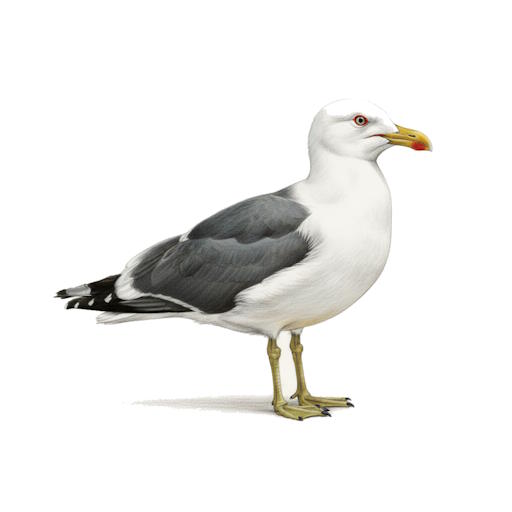
Kelp Gull
Classification
Aves > Charadriiformes > Laridae > Larus > L. dominicanus
Native To
Conservation Status
Average Height
1.5 - 2 feet
(0.5 - 0.6 m)
Average Weight
2 - 3 lbs
(0.9 - 1.4 kg)
Average Life Span
15 - 20 years
Gestation Period
28 days
Did You Know?
The Kelp Gull is a large seabird found in coastal areas across the Southern Hemisphere.
They are highly adaptable and can be found in various habitats, from sandy beaches to rocky cliffs.
Kelp Gulls are omnivores and have a very diverse diet, including fish, crustaceans, mollusks, eggs, carrion, and even human refuse.
They are known for their opportunistic feeding habits and will often scavenge for food.
Kelp Gulls are strong flyers and can travel long distances in search of food.
They typically build nests on the ground in colonies, often near water sources.
Both male and female Kelp Gulls participate in incubating the eggs and raising the chicks.
Photo Gallery
No images provided yet. Be the first to upload one!