Lord Howe Island Stick Insect
The Lord Howe Island Stick Insect (Dryococelus australis) is a large, flightless stick insect species endemic to Lord Howe Island, off the coast of Australia. It was once thought to be extinct due to the introduction of rats to the island. However, in 2001, a small population was discovered on a tiny, rocky islet called Ball's Pyramid. This incredible find earned the stick insect the nickname "tree lobster."
The stick insect is a nocturnal herbivore, feeding on the leaves of a single plant species. Its survival is a testament to the resilience of nature and a triumph of modern conservation.
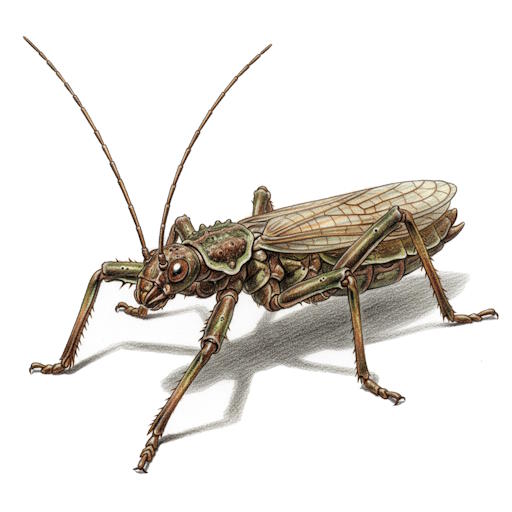
Lord Howe Island Stick Insect
Classification
Insecta > Phasmatodea > Phasmatidae > Dryococelus > D. australis
Native To
Conservation Status
Average Height
5 - 6 inches
(13 - 15 cm)
Average Weight
1 - 2 oz
(28 - 57 g)
Average Life Span
1 - 2 years
Gestation Period
6 - 9 months
Did You Know?
The Lord Howe Island Stick Insect was once thought to be extinct for almost 80 years before being rediscovered in 2001.
These insects are also known as "tree lobsters" due to their large size and hard exoskeleton.
They are nocturnal and spend their days hiding in tree hollows.
Female Lord Howe Island Stick Insects are larger than males and can lay up to 300 eggs in their lifetime.
Their eggs resemble plant seeds, which helps them camouflage and avoid predators.
They can reproduce parthenogenetically, meaning females can lay fertile eggs without a male.
The Lord Howe Island Stick Insect is a critically endangered species, and conservation efforts are underway to protect them.
Photo Gallery
No images provided yet. Be the first to upload one!