New Caledonian Giant Gecko
The New Caledonian Giant Gecko (Rhacodactylus leachianus) is a large gecko species native to New Caledonia. It is the largest living gecko species in the world, reaching lengths of up to 14 inches.
The New Caledonian Giant Gecko is a nocturnal and arboreal species, spending its life high in the trees. It is a fascinating reptile, with a variety of vocalizations and a unique defense mechanism: it will drop its tail when threatened, which will continue to wiggle to distract a predator.
The New Caledonian Giant Gecko is a vulnerable species, facing threats from habitat loss and illegal collection.
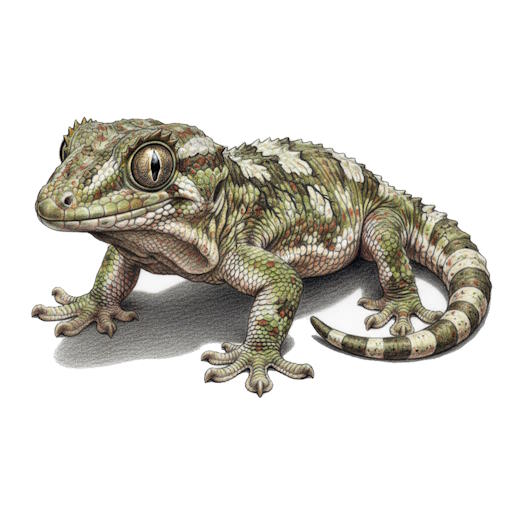
New Caledonian Giant Gecko
Classification
Reptilia > Squamata > Diplodactylidae > Rhacodactylus > R. leachianus
Native To
Conservation Status
Average Height
1.5 feet
(0.5 m)
Average Weight
4 - 6 oz
(113 - 170 g)
Average Life Span
20 - 30 years
Gestation Period
60 - 70 days
Did You Know?
The New Caledonian Giant Gecko is the largest gecko species in the world, capable of reaching lengths of over 14 inches, including its tail.
They are often called "cresties" or "eyelash geckos" due to the distinctive soft spines above their eyes, resembling eyelashes.
These geckos are nocturnal and arboreal, meaning they are active at night and spend most of their lives in trees.
New Caledonian Giant Geckos have a unique ability to lick their own eyeballs to keep them clean and moist, as they don't have eyelids.
Their diet in the wild consists of fruits, insects, and nectar.
They are known for their strong grip, thanks to special lamellae on their toes that allow them to cling to almost any surface.
The New Caledonian Giant Gecko can voluntarily shed its tail when threatened, and the tail will regenerate, though it may look slightly different.
Photo Gallery
No images provided yet. Be the first to upload one!