Sarus Crane
The Sarus Crane Antigone antigone is a large crane species native to the wetlands of the Indian subcontinent and Southeast Asia. It holds the distinction of being the world's tallest flying bird, standing up to 5 feet 9 inches tall.
The Sarus Crane is known for its graceful movements, long legs, and a striking red head and upper neck. They are highly social birds that live in pairs or small family groups.
Sarus Cranes form a strong pair bond that is believed to last for life. They are revered in many cultures as a symbol of fidelity and marital devotion. Their diet consists of seeds, roots, insects, and small vertebrates.
Sarus Cranes are a vulnerable species, facing threats from habitat loss and the illegal wildlife trade. Conservation efforts are underway to protect the remaining populations and to preserve the wetlands they depend on.
The Sarus Crane's immense size and strong pair bonds make it a powerful symbol of love and loyalty in the animal kingdom, a true giant of the sky.
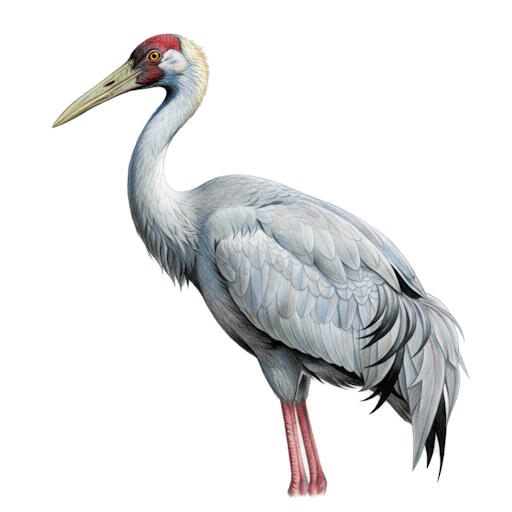
Sarus Crane
Classification
Aves > Gruiformes > Gruidae > Antigone > A. antigone
Native To
Conservation Status
Average Height
5 - 6 feet
(1.5 - 1.8 m)
Average Weight
15 - 25 lbs
(6.8 - 11.3 kg)
Average Life Span
20 - 30 years
Gestation Period
28 - 31 days
Did You Know?
The Sarus Crane is the tallest flying bird in the world, standing up to 5.9 feet (1.8 meters) tall.
They are known for their spectacular courtship dances, which involve bowing, jumping, and flapping their wings.
Sarus Cranes form lifelong pair bonds and are often seen walking together, even outside of breeding season.
Their diet mainly consists of roots, tubers, insects, and small vertebrates.
They are found in wetlands and agricultural fields in parts of India, Southeast Asia, and Australia.
Both male and female Sarus Cranes help incubate the eggs and raise the chicks.
Sadly, their population is declining due to habitat loss and hunting.
Photo Gallery
No images provided yet. Be the first to upload one!