Sei Whale
The Sei Whale Balaenoptera borealis is a species of baleen whale found in all of the world's oceans. It is the third-largest rorqual, after the Blue Whale and Fin Whale.
The Sei Whale is known for its long, sleek, and streamlined body, which allows it to reach speeds of up to 30 miles per hour. This makes it one of the fastest of all cetaceans.
The Sei Whale is a filter feeder, using its baleen plates to strain small crustaceans, such as krill, and small fish from the water. They are typically solitary or found in small groups. The Sei Whale was heavily hunted during the commercial whaling era, which decimated its population. While it is now a protected species, its population is still recovering. The Sei Whale is a true marvel of the ocean, a fast and graceful giant that is a vital part of the marine ecosystem. The Sei Whale's presence is a reminder of the importance of protecting our oceans and the majestic creatures that call them home.
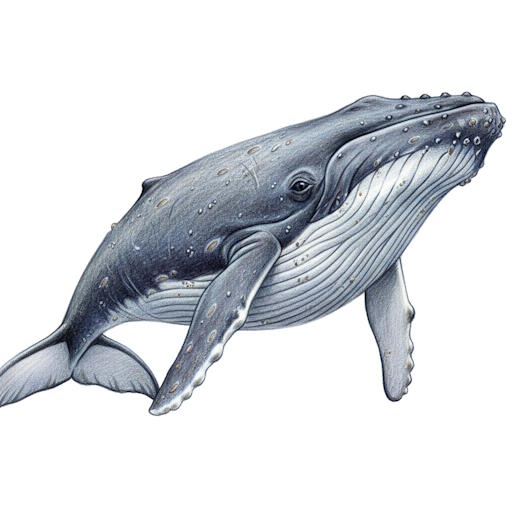
Sei Whale
Classification
Mammalia > Cetacea > Balaenopteridae > Balaenoptera > B. borealis
Native To
Conservation Status
Average Height
40 - 50 feet
(12 - 15 m)
Average Weight
40,000 - 60,000 lbs
(18,000 - 27,000 kg)
Average Life Span
50 - 70 years
Gestation Period
300 days
Did You Know?
The Sei Whale is one of the fastest whales, capable of reaching speeds of up to 30 miles per hour (48 km/h).
They are baleen whales, meaning they have plates in their mouths to filter small prey like krill and copepods from the water.
Sei Whales are found in all oceans, from polar to tropical waters.
They can grow up to 60 feet (18 meters) long and weigh up to 50 tons.
Their name, "sei," comes from the Norwegian word for pollock, as they often appeared off the coast of Norway at the same time as pollock.
Sei Whales often swim in pods of 2 to 5 individuals.
They have a distinctive single ridge on their head, which helps to identify them from other whale species.
Photo Gallery
No images provided yet. Be the first to upload one!