Tegu Lizard
The Tegu Lizard Tupinambis is a genus of large, omnivorous lizards native to Central and South America. It is known for its powerful jaws, long tail, and scaly skin.
Tegus are highly intelligent and can be trained to be docile. They are a terrestrial species, spending their time on the ground and in burrows. Their diet consists of a wide variety of foods, including insects, small rodents, birds, and fruits.
The Tegu Lizard is an important part of its ecosystem as it helps to control pest populations and disperse seeds.
While some species of Tegu are a popular pet, others are facing threats from habitat loss and the illegal pet trade.
The Tegu Lizard's intelligence and powerful build make it a fascinating and important animal of the American tropics.
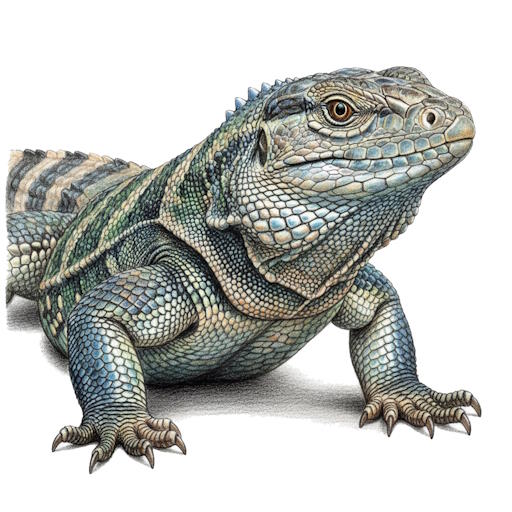
Tegu Lizard
Native To
Conservation Status
Average Height
3 - 4 feet
(0.9 - 1.2 m)
Average Weight
10 - 15 lbs
(4.5 - 6.8 kg)
Average Life Span
15 - 20 years
Gestation Period
45 - 60 days
Did You Know?
The Tegu Lizard is a highly intelligent and curious reptile known for its ability to be tamed and even leash-trained.
They can grow quite large, with some species reaching up to 4 feet in length, making them one of the largest lizard species kept as pets.
Tegu Lizards are omnivores, meaning they eat both plants and animals, and their diet can include fruits, vegetables, insects, and small rodents.
Unlike many reptiles, Tegu Lizards are known to exhibit a form of "warm-bloodedness" during their active season, where they can raise their body temperature above ambient temperatures.
They are native to Central and South America and are excellent burrowers, often digging complex tunnel systems.
Photo Gallery
No images provided yet. Be the first to upload one!