Titanoboa
The Titanoboa Titanoboa cerrejonensis was a genus of prehistoric snakes that lived during the Paleocene epoch, about 60 million years ago. It is the largest snake to ever live, with some individuals reaching lengths of up to 42 feet and weighing over 2,500 pounds.
The Titanoboa was a powerful apex predator, preying on a variety of large animals, including crocodiles and large fish. It lived in the warm, humid climate of the ancient rainforests of South America.
The discovery of the Titanoboa fossils has provided scientists with a wealth of information about the ancient climate and the incredible animals that once roamed our planet. The Titanoboa's immense size and powerful presence make it a true marvel of evolution and a reminder of the incredible animals that once lived on Earth.
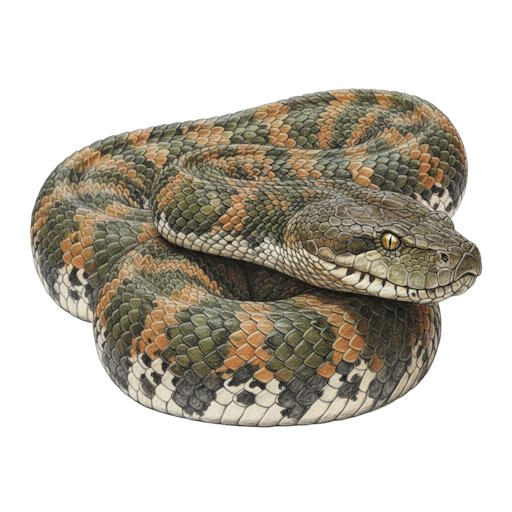
Titanoboa
Native To
Conservation Status
Average Height
40 - 50 feet
(12 - 15 m)
Average Weight
2,500 lbs
(1,134 kg)
Average Life Span
20 - 30 years
Gestation Period
90 - 120 days
Did You Know?
The Titanoboa was a genus of incredibly large snakes that lived approximately 58 to 60 million years ago, during the Paleocene epoch.
It is the largest snake ever discovered, estimated to have reached lengths of up to 42 feet (12.8 meters) and weighed over 2,500 pounds (1,135 kg).
The Titanoboa lived in the ancient rainforests of what is now Colombia, a much hotter environment than today, which allowed cold-blooded reptiles to grow to enormous sizes.
Its diet likely consisted of large vertebrates like crocodiles and giant turtles.
The discovery of Titanoboa fossils helped scientists understand more about the climate and ecosystems of the Paleocene epoch.
Photo Gallery
No images provided yet. Be the first to upload one!