Western Diamondback Rattlesnake
The Western Diamondback Rattlesnake Crotalus atrox is a venomous snake native to the deserts and grasslands of the southwestern United States and Mexico. It is one of the most common and well-known rattlesnakes and is known for its diamond-shaped pattern on its back and its unique rattle on the end of its tail. The rattle is made of keratin and is used to warn predators and intruders.
The Western Diamondback Rattlesnake is a powerful ambush predator, with a diet that consists of a wide variety of small mammals and birds. Its venom is highly potent and is used to subdue its prey. The Western Diamondback Rattlesnake is a crucial part of its ecosystem, as it helps to control rodent populations.
The Western Diamondback Rattlesnake's unique rattle and its powerful venom make it a fascinating and important animal of the American desert.
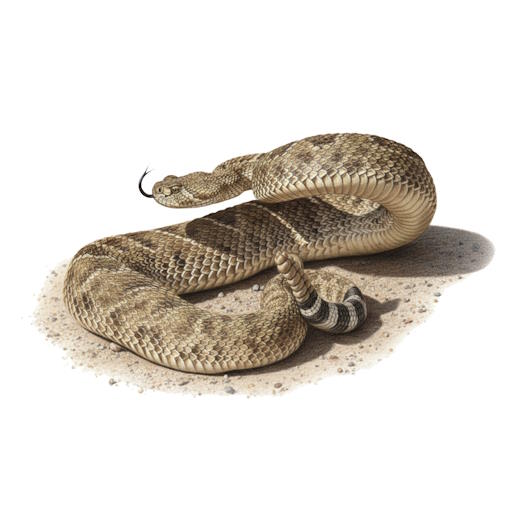
Western Diamondback Rattlesnake
Native To
Conservation Status
Average Height
3 - 5 feet
(0.9 - 1.5 m)
Average Weight
3 - 10 lbs
(1.4 - 4.5 kg)
Average Life Span
15 - 20 years
Gestation Period
140 - 160 days
Did You Know?
The Western Diamondback Rattlesnake is one of the most common and widespread rattlesnake species in the United States and Mexico.
They are venomous snakes, but they usually only strike in self-defense, giving a warning rattle beforehand.
Their distinctive "rattle" is made of segments of keratin that click together when vibrated.
They are ambush predators, often waiting patiently for prey like rodents and birds.
The color of their scales can vary, helping them blend into their diverse habitats, which include deserts, grasslands, and forests.
Photo Gallery
No images provided yet. Be the first to upload one!