Western Rattlesnake
The Western Rattlesnake Crotalus oreganus is a venomous snake native to the western United States and British Columbia. It is a powerful ambush predator, feeding on a variety of small mammals and birds.
The Western Rattlesnake is known for its unique rattle on the end of its tail, which it shakes to warn predators and intruders. The rattle is made of keratin and is a clear signal to stay away. The Western Rattlesnake is an important part of its ecosystem, as it helps to control rodent populations.
While the Western Rattlesnake's venom is highly potent, it is not an aggressive animal and will only strike when threatened. The Western Rattlesnake's unique rattle and its role as a top predator make it a fascinating and important animal of the western landscape.
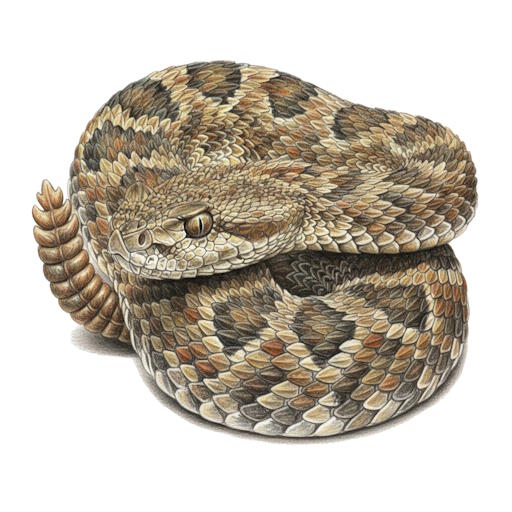
Western Rattlesnake
Native To
Conservation Status
Average Height
2 - 4 feet
(0.6 - 1.2 m)
Average Weight
1 - 2 lbs
(0.5 - 0.9 kg)
Average Life Span
15 - 20 years
Gestation Period
120 - 150 days
Did You Know?
The Western Rattlesnake is a venomous snake found in western North America.
They are known for the rattles on their tail, which they shake to warn off predators.
Baby Western Rattlesnakes are born live, not from eggs.
They are ambush predators, meaning they wait for their prey to come close before striking.
Their diet consists mainly of small mammals like rodents and birds.
Western Rattlesnakes can detect prey in complete darkness using heat-sensing pits on their heads.
They are an important part of their ecosystem, helping to control rodent populations.
Photo Gallery
No images provided yet. Be the first to upload one!