Whooping Crane
The Whooping Crane Grus americana is a critically endangered species of migratory bird native to North America. It is the tallest bird in North America and is known for its immense size and its pure white plumage with a red crown.
The Whooping Crane is known for its loud, whooping calls, which are used to communicate with other cranes and to announce its territory.
The Whooping Crane was once on the brink of extinction, with only 15 individuals remaining in the 1940s. Thanks to dedicated conservation efforts, including captive breeding programs and reintroduction programs, its population has been slowly recovering.
The Whooping Crane is a true symbol of successful conservation and a powerful reminder of the importance of protecting endangered species.
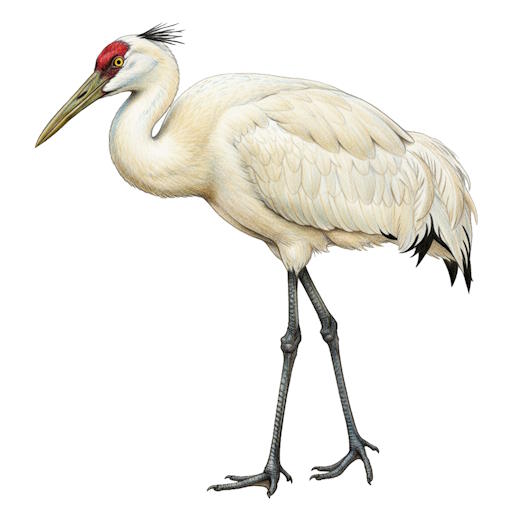
Whooping Crane
Classification
Aves > Gruiformes > Gruidae > Grus > G. americana
Native To
Conservation Status
Average Height
4.5 - 5 feet
(1.4 - 1.5 m)
Average Weight
15 - 20 lbs
(6.8 - 9.1 kg)
Average Life Span
20 - 24 years
Gestation Period
29 - 31 days
Did You Know?
The Whooping Crane is the tallest bird in North America, standing nearly 5 feet tall!
They are an endangered species, and conservation efforts have been crucial in increasing their population.
Whooping Cranes migrate long distances, flying from their breeding grounds in Canada to their wintering grounds in the southern United States.
Their distinctive "whooping" call can be heard from several miles away.
Whooping Cranes typically lay 1 to 3 eggs, but usually only one chick survives.
They have a striking appearance with white plumage, black wingtips, and a red crown.
Their diet consists of a variety of foods including insects, crustaceans, small fish, and grains.
Photo Gallery
No images provided yet. Be the first to upload one!