Yellow Anaconda
The Yellow Anaconda Eunectes notaeus is a large species of non-venomous snake native to the swamps, marshes, and rivers of South America. It is a powerful and semi-aquatic snake, known for its yellow or yellowish-brown body with large, dark spots.
The Yellow Anaconda is a constrictor, meaning it suffocates its prey by wrapping its powerful body around it. Its diet consists of a wide variety of animals, including fish, birds, and small mammals.
The Yellow Anaconda's impressive size and its powerful constriction make it a fascinating and important animal of the South American wetlands.
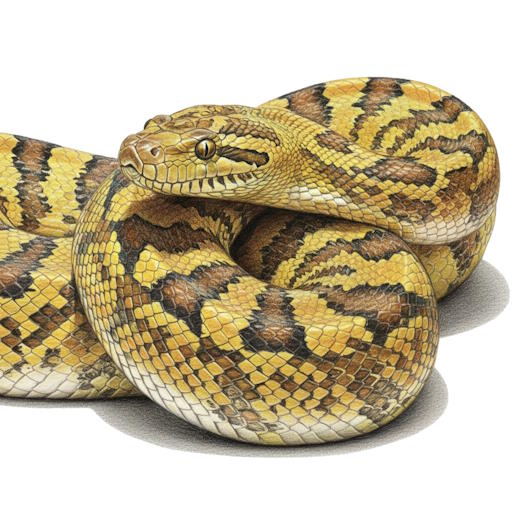
Yellow Anaconda
Native To
Conservation Status
Average Height
10 - 14 feet
(3 - 4.3 m)
Average Weight
50 - 80 lbs
(23 - 36 kg)
Average Life Span
10 - 15 years
Gestation Period
6 - 7 months
Did You Know?
The Yellow Anaconda is a semi-aquatic snake native to South America, particularly found in swamps, marshes, and slow-moving rivers.
They are non-venomous constrictors, meaning they kill their prey by coiling around them and squeezing.
Yellow Anacondas are ambush predators, often waiting patiently for prey to come within striking distance.
Their diet primarily consists of birds, small mammals, and other reptiles.
Female Yellow Anacondas are generally larger than males.
They can grow to lengths of up to 10 to 14 feet.
Photo Gallery
No images provided yet. Be the first to upload one!