Arabian Leopard
The Arabian leopard is an incredibly tough, highly adapted survivor. It is the absolute smallest of all the leopard subspecies and lives in the extremely harsh, rocky mountains and deserts of the Arabian Peninsula, in countries like Oman and Yemen. Because the desert environments are so incredibly hot and dry, their coats are much lighter in color than other leopards. They feature a pale, creamy yellow fur covered with rosettes that help them seamlessly blend into the dry desert rocks and sand.
In the intense heat of the desert day, the Arabian leopard must conserve water and energy. They usually spend the daylight hours sleeping deeply inside cool, shady caves or hidden under massive boulders. Because food is very hard to find in the desert, they are generally smaller and much leaner than forest leopards. Their sleek bodies require less food and less water to survive in the barren landscape.
Being strict carnivores in a place with few animals requires incredible patience. As the sun sets and the desert cools down, they emerge from their cool caves to begin their hunt. They quietly navigate the steep, treacherous mountain slopes with perfect balance, looking for animals like the Arabian gazelle, wild goats, and rock hyraxes. They use the rocky terrain for cover to ambush their prey.
Arabian leopards live a very solitary life. Because food is spread out so rarely across the desert, each leopard needs an absolutely massive territory to make sure it will find enough to eat. They patrol the rocky mountains, leaving scent markers and using rough raspy calls to warn other leopards to stay far away. They almost never interact with each other except during the mating season.
A mother leopard will raise her small cubs in highly secured caves to keep them completely hidden from predators like wolves or eagles. Tragically, the Arabian leopard is critically endangered due to hunting and the loss of their wild food. Powerful, dedicated breeding centers and protected national parks in the Middle East are attempting a miracle to carefully rebuild the population of these magnificent desert cats.
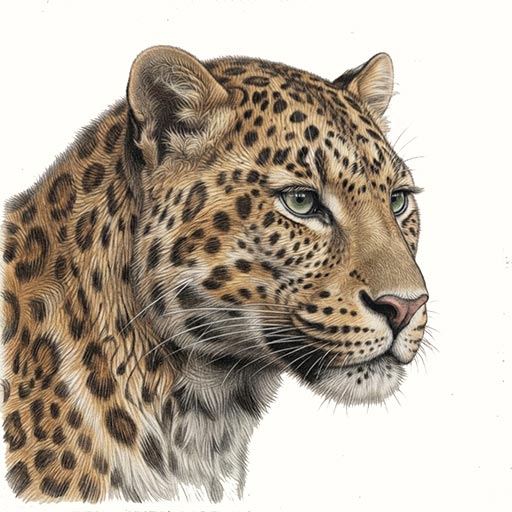
Arabian Leopard
Native To
Conservation Status
Average Height
5 to 7 feet
(1.52 to 2.13 meters)
Average Weight
40 - 76 lbs
(18 - 34 kg)
Average Life Span
10 - 12 years
Gestation Period
90 - 107 days
Diet
Desert herbivores (Gazelles, wild goats, hyraxes)
Social Structure
Solitary
Biomes
(And Habitats)
No fun facts available for this animal yet.
Photo Gallery
No images provided yet. Be the first to upload one!