Black Rhinoceros
The Black Rhinoceros is an incredible and fiercely independent giant that makes its home in the savannas, deserts, and thick bushlands of eastern and southern Africa. Unlike the white rhino, they do not have a wide, flat lip. Instead, the Black Rhino is famous for its very special, pointed upper lip! This lip is actually prehensile, which means it works almost like a miniature elephant trunk. They use it to easily grab and twist leaves, thorny twigs, and fruit off of small trees and bushes.
Because of their diet, they are considered "browsers" rather than "grazers." They rarely eat grass off the ground. Their clever, strong lip allows them to safely eat branches that are covered in sharp thorns, without getting poked! The black rhino actually has a slightly smaller body than the white rhino, and their back has a noticeable dip in the middle. Just like the white rhino, their skin is a dark gray color, not technically black.
They are famous for their tough, unpredictable tempers. Because they have very poor eyesight, they get surprised easily by sudden noises or unfamiliar smells. If a Black Rhino feels threatened, it will not hesitate to charge extremely fast toward the danger to scare it away! When they charge, they can reach speeds up to 35 miles per hour. Their two sharp horns make them a very formidable force on the savanna.
Black rhinos strongly prefer to live alone. A male will claim a large patch of brushy land, proudly marking it with giant piles of dung to warn other males to stay far away. They are most active during the cool mornings and nights. During the scorching midday heat, you will likely find a black rhino sleeping deeply under the shade of an acacia tree or submerged in a giant mud puddle, which helps them stay cool and bug-free.
A mother black rhino is fiercely devoted to her calf. When they are traveling, the tiny calf usually follows behind its mother, tightly protected from predators like lions or hyenas. Unfortunately, Black Rhinos are critically endangered due to relentless illegal hunting for their horns. Dedicated rangers and conservation programs are fighting bravely to keep these magnificent and tough animals safe in the wild.
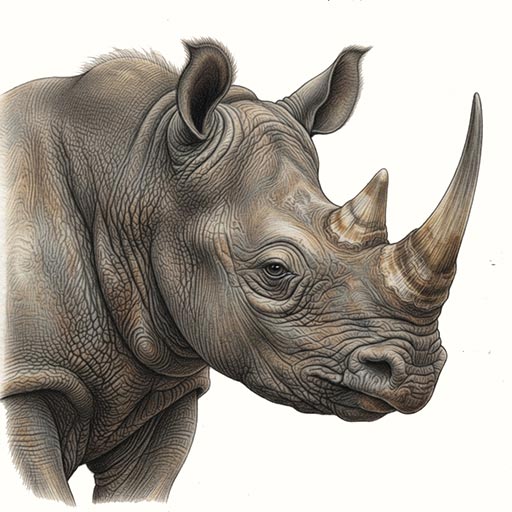
Black Rhinoceros
Classification
Mammalia > Perissodactyla > Rhinocerotidae > Diceros > bicornis
Native To
Conservation Status
Average Height
4 to 6 feet
(1.22 to 1.83 meters)
Average Weight
1,760 - 3,080 lbs
(797 - 1395 kg)
Average Life Span
35 - 50 years
Gestation Period
436 - 486 days
Diet
Leaves and twigs (Leaves, branches, and thorny bushes)
Social Structure
Solitary
Biomes
(And Habitats)
No fun facts available for this animal yet.
Photo Gallery
No images provided yet. Be the first to upload one!