Vulture
The Vulture is a scavenging bird of prey that is found on every continent except Antarctica and Australia. There are two main groups of vultures: the New World vultures and the Old World vultures. Vultures are known for their bald head and neck, which helps to keep them clean while they are feeding on carrion.
Vultures are a crucial part of their ecosystem as they help to clean up carcasses and prevent the spread of diseases. They have an incredible sense of smell, which allows them to locate carrion from miles away. Vultures are a threatened species, facing threats from poisoning, habitat loss, and human-wildlife conflict.
The Vulture's vital role in the ecosystem and its unique adaptations make it a fascinating and important animal.
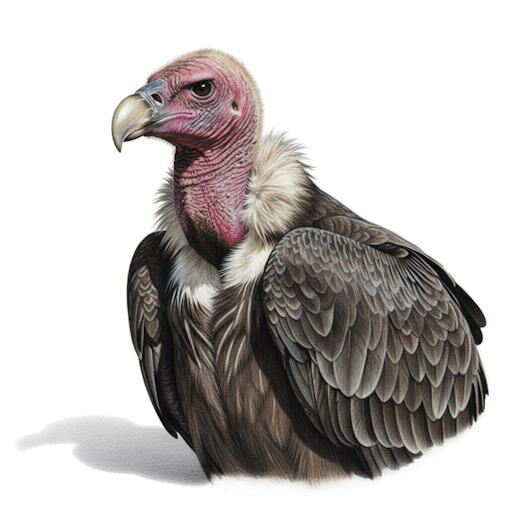
Vulture
Classification
Aves > Accipitriformes > Accipitridae > Gyps > G. africanus
Native To
Conservation Status
Average Height
2.5 - 3 feet
(0.8 - 0.9 m)
Average Weight
10 - 15 lbs
(4.5 - 6.8 kg)
Average Life Span
20 - 30 years
Gestation Period
50 - 55 days
Did You Know?
The Vulture is a scavenging bird of prey, meaning it primarily eats carrion (dead animals).
They have excellent eyesight and a keen sense of smell, which help them locate food from high altitudes.
Vultures play a crucial role in ecosystems by cleaning up carcasses and preventing the spread of diseases.
Some species of Vultures have bald heads and necks, which helps them stay clean while feeding on decaying matter.
There are Old World vultures (found in Africa, Asia, and Europe) and New World vultures (found in the Americas), and they are not closely related but evolved similar traits due to their scavenging lifestyle.
Many Vulture species can soar for hours on thermal currents, conserving energy while they search for food.
Photo Gallery
No images provided yet. Be the first to upload one!