Whooper Swan
The Whooper Swan Cygnus cygnus is a large species of migratory swan native to Eurasia. It is a graceful and elegant bird, known for its pure white plumage and its long, slender neck.
The Whooper Swan is known for its loud, whooping calls, which are used to communicate with other swans and to announce its presence.
The Whooper Swan is a migratory species, traveling for thousands of miles to its breeding and wintering grounds. Its diet consists of a wide variety of aquatic plants and small invertebrates.
The Whooper Swan is a beautiful and important bird, and its presence is a symbol of the wild, untamed wilderness of Eurasia.
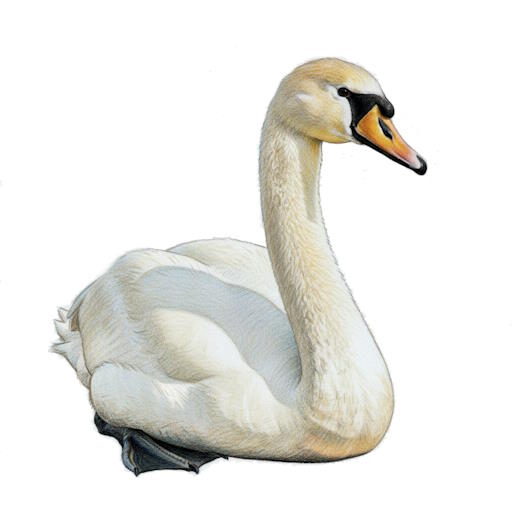
Whooper Swan
Classification
Aves > Anseriformes > Anatidae > Cygnus > C. cygnus
Native To
Conservation Status
Average Height
4 - 5 feet
(1.2 - 1.5 m)
Average Weight
15 - 25 lbs
(6.8 - 11.3 kg)
Average Life Span
10 - 20 years
Gestation Period
35 - 42 days
Did You Know?
The Whooper Swan is a large, elegant waterbird known for its striking white plumage and a distinct yellow and black bill.
They get their name from their loud, whooping calls, which can be heard from a long distance, especially when they are in flight or communicating with other swans.
Whooper Swans are migratory birds, breeding in the Arctic and subarctic regions of Eurasia and migrating south to temperate areas for the winter.
During their impressive migrations, Whooper Swans can fly at high altitudes and cover vast distances, often in V-formations to conserve energy.
They typically build their nests on small islands or beside water in tundra, taiga, and forest zones, often reusing the same nesting sites year after year.
The diet of a Whooper Swan primarily consists of aquatic plants, grasses, and agricultural crops, which they dabble for in shallow water or graze on land.
Both male and female Whooper Swans participate in raising their cygnets, which are initially grey and gradually turn white as they mature.
Photo Gallery
No images provided yet. Be the first to upload one!